

Precision Angular Contact Ball Bearings
TEDIN manufactures angular contact ball bearings for machine tool spindles, high-speed motors and industrial equipment, with matched sets and custom options for OEM requirements.
Angular Contact Ball Bearing Series & Configurations
Explore 718, 719, 70 and 72 series alongside matched sets, double-row designs, four-point contact bearings and double direction thrust configurations. Visit each category for specifications and selection guidance.
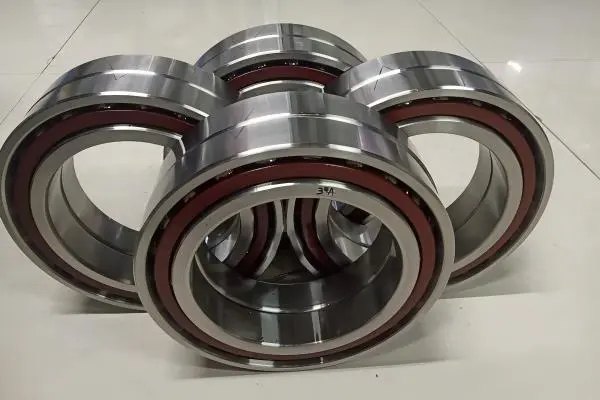
718 Series Angular Contact Ball Bearings
Ultra-light cross-section for compact bearing arrangements where radial installation space is limited.
View 718 Series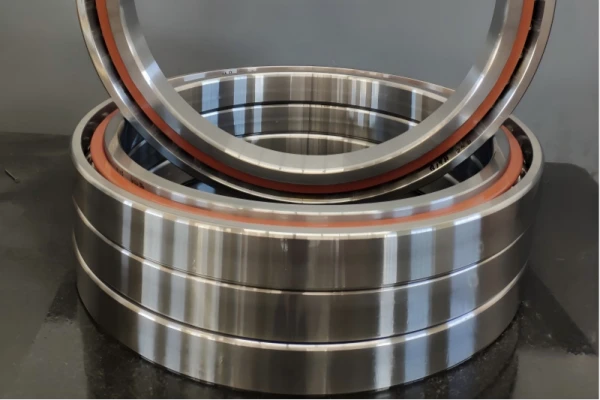
719 Series Angular Contact Ball Bearings
Light cross-section for precision spindle arrangements. Speed and stiffness depend on internal design and preload.
View 719 Series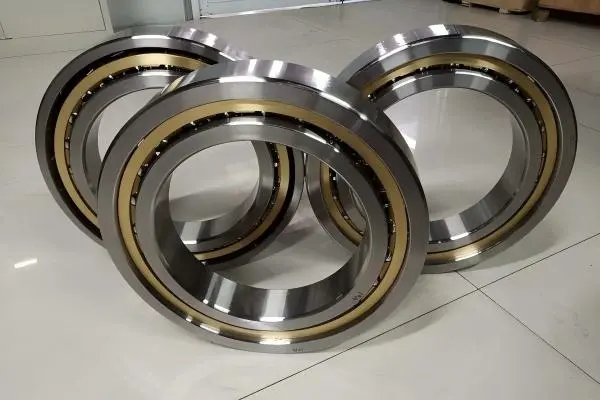
70 Series Angular Contact Ball Bearings
A larger cross-section than 719 at the same bore, providing options for balancing installation space and load capacity.
View 70 Series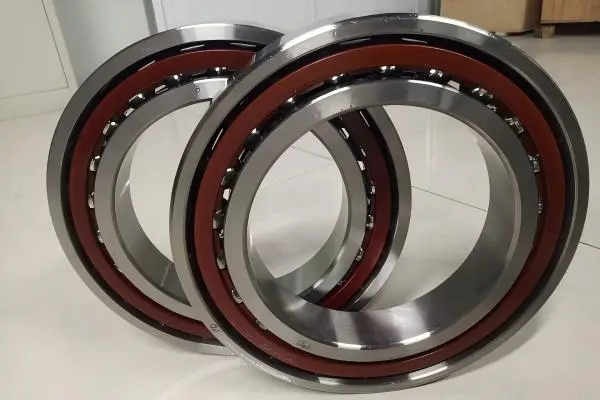
72 Series Angular Contact Ball Bearings
A larger cross-section than 70 at the same bore, generally offering higher load capacity with more installation space.
View 72 Series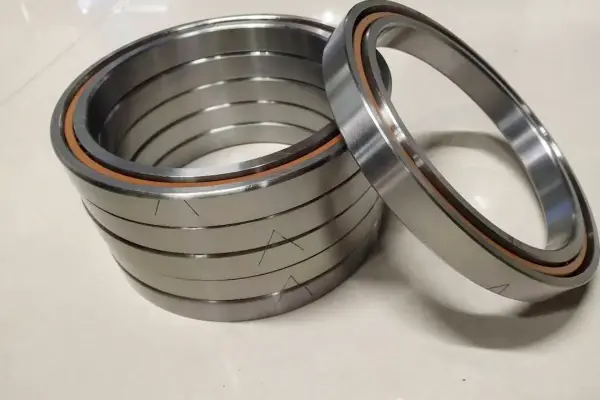
Matched Angular Contact Ball Bearings
Matched sets for DB, DF or DT mounting. Universally matchable options are available subject to compatibility and specified preload or clearance.
View Matched Sets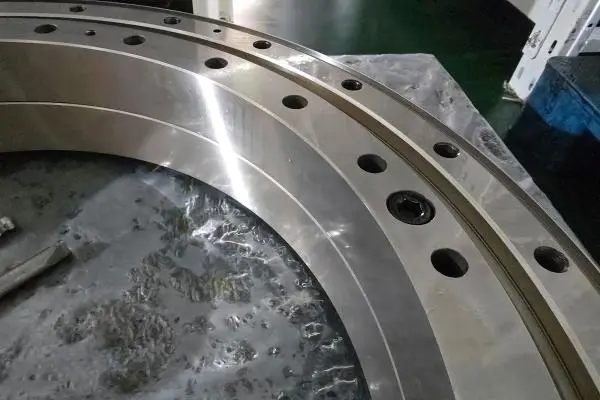
Double Row Angular Contact Ball Bearings
Two ball rows in one bearing provide combined radial and bidirectional axial support in a compact axial space.
View Double Row Bearings
QJ Series Four Point Contact Ball Bearings
Designed primarily for axial loads in both directions. Combined-load suitability depends on the axial-to-radial load relationship and bearing design.
View QJ Series
Double Direction Thrust Angular Contact Ball Bearings
Precision bidirectional axial support for machine tool spindles. Typically used with separate radial bearings for rigid axial positioning.
View Thrust BearingsCross-Section Size Comparison
Compare 718, 719, 70 and 72 series at the same bore diameter to evaluate installation space and bearing size.

Select by Space and Load
At the same bore diameter, cross-sections generally increase from 718 through 719 and 70 to 72 series. Smaller sections save installation space, while larger sections generally offer greater load capacity.
Confirm the selected model's dimensions and load ratings. Speed and stiffness also depend on contact angle, internal design, preload and lubrication.
Materials, Cages & Bearing Suffixes
Bearing Rings & Rolling Elements

Bearing Steel
GCr15 or GCr15SiMn bearing steel, selected by bearing size and design, provides wear resistance and fatigue strength.
Hybrid Ceramic Option
Steel rings with silicon nitride (Si3N4) balls. Lighter rolling elements reduce centrifugal loading and can support higher-speed operation.
Cage Options

Machined Brass
A strong cage option for applications requiring durability and suitable temperature resistance.
Phenolic Resin
A lightweight cage option commonly used in high-speed precision spindle bearings.
Common Bearing Suffixes
Quick reference only. Codes vary by manufacturer and bearing series.
| Category | Suffix | Common Meaning |
|---|---|---|
| Contact Angle | C | 15° contact angle. |
| AC | 25° contact angle. | |
| B | 40° contact angle. | |
| Cage Material | M | Machined brass cage. |
| TYN / P | Polyamide cage in some designation systems. | |
| TR / T | Phenolic resin cage in some designation systems. | |
| Pairing & Arrangement | DB | Back-to-back arrangement. |
| DF | Face-to-face arrangement. | |
| DT | Tandem arrangement. | |
| SU / DU | Universal matching codes in some catalogs; confirm set type and preload. | |
| Precision Class | P5 | ISO tolerance class 5. |
| P4 | ISO tolerance class 4; tighter than P5. | |
| P2 | ISO tolerance class 2; tighter than P4. |
Before ordering: Confirm available materials, cage options and the complete bearing designation against the TEDIN product specification or drawing. Similar suffixes do not guarantee equivalent bearings.
Factory Customization & Quality Control
From drawing review to final inspection, TEDIN supports custom angular contact bearing orders with clearly defined manufacturing and acceptance requirements.

Drawing & Requirement Review
Share your drawing, bearing designation and application requirements. Key tolerances, interfaces and acceptance criteria can be reviewed before production.
Custom Manufacturing Support
For non-standard and OEM orders, TEDIN can review manufacturing feasibility and confirm the agreed specification, order quantity and delivery requirements.
Inspection & Quality Control
Dimensional accuracy and running accuracy are checked against the applicable product requirements. Confirm any additional inspection or documentation needs when placing your order.
Related Technical Support
Review angular contact ball bearing arrangements, contact angle selection and matching requirements before specifying or replacing bearings.
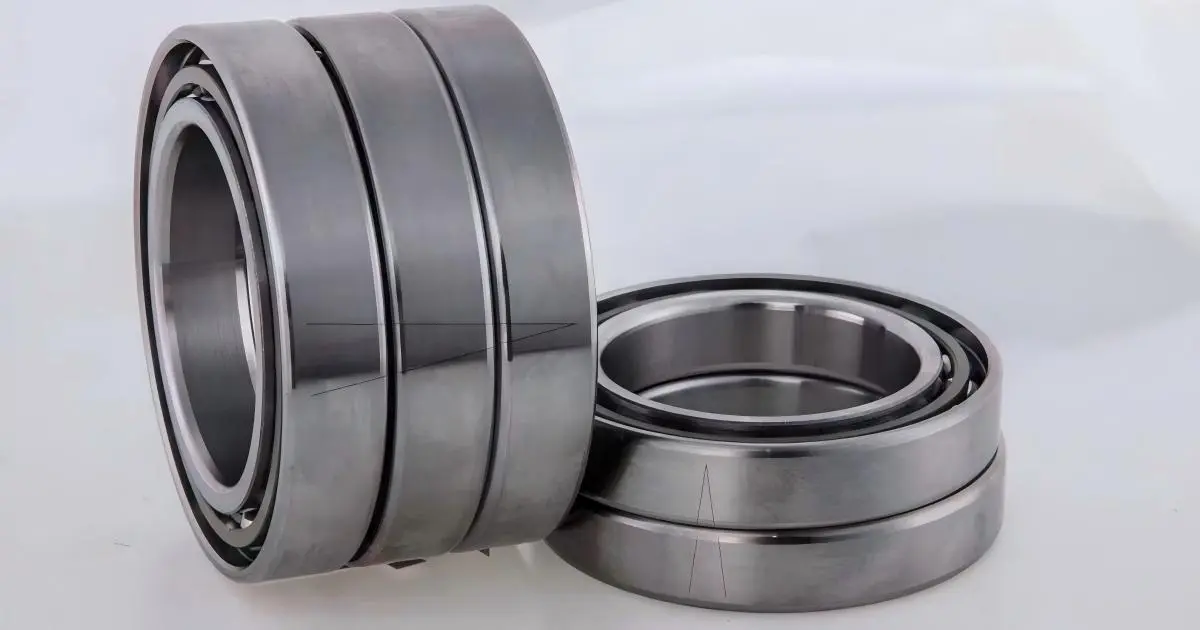
DB, DF & DT Bearing Arrangement Guide
Compare load directions, moment stiffness and mounting requirements for back-to-back, face-to-face and tandem arrangements.
Read Guide →
Contact Angle Selection Guide
Review how 15°, 25° and 40° contact angles influence radial and axial load support, stiffness and speed capability.
Read Guide →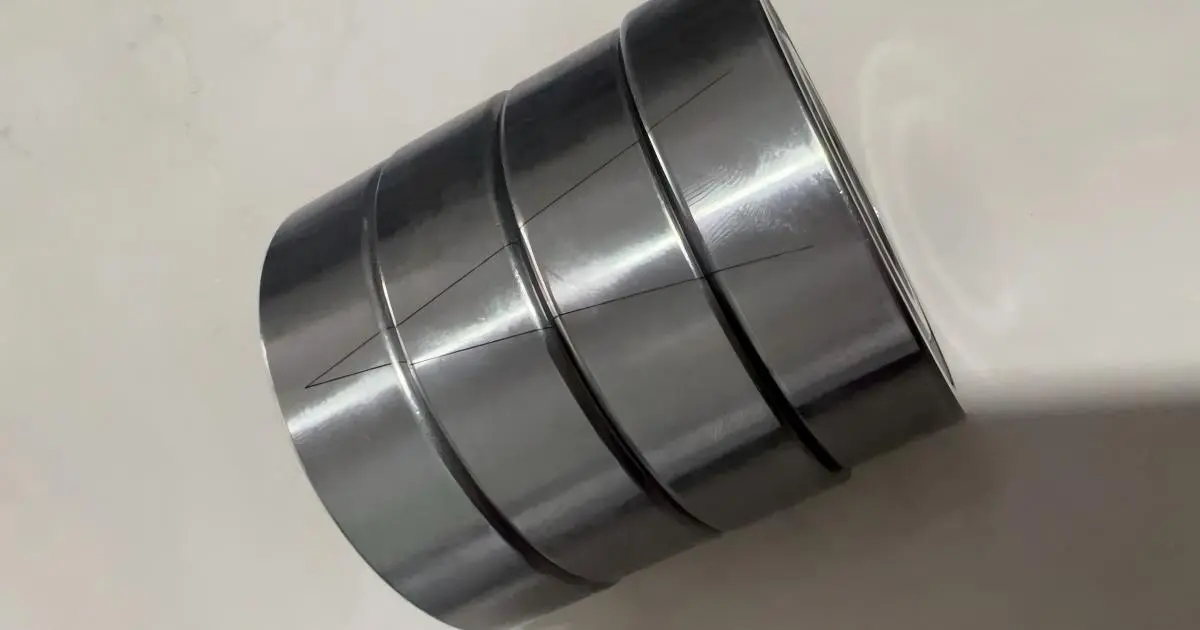
Bearing Matching & Replacement Guide
Check pairing compatibility, designated matched sets and assembly requirements before selecting replacement bearings.
Read Guide →Explore More Bearing Solutions
Explore other bearing types for heavy loads, rigid shaft support and precision rotary motion.

Tapered Roller Bearings
For gearboxes, reducers and heavy-duty machinery operating under radial and axial loads.
Explore Tapered Bearings →
Cylindrical Roller Bearings
For spindles, motors and industrial drives requiring rigid radial shaft support.
Explore Cylindrical Bearings →
YRT Turntable Bearings
For rotary tables and indexing units carrying radial, bidirectional axial and moment loads.
Explore YRT Bearings →
Crossed Roller Bearings
For robotic joints and precision rotary mechanisms where mounting space and stiffness are critical.
Explore Crossed Roller Bearings →