
Thrust Roller Bearings for Heavy Axial Load Applications
Reliable thrust roller bearing solutions for gearboxes, cranes, rolling mills, presses and heavy-duty industrial equipment.
Understanding Thrust Roller Bearings
Thrust roller bearings use rollers running between axial raceways to transmit loads along the shaft axis. They are selected where axial load capacity and stiffness are key requirements.
Load direction and radial load capability vary by design. Cylindrical thrust roller bearings require separate radial support, while spherical thrust roller bearings can accommodate accompanying radial loads and misalignment within specified limits.
Thrust Roller Bearing Types
Thrust roller bearings are used where axial load is the main working load. The suitable design depends on load magnitude and direction, shaft alignment, speed and available mounting space.
Cylindrical Roller Thrust Bearings
Used where high axial load capacity and rigidity are required in a compact arrangement. Common applications include gearboxes, machine tools and heavy mechanical drives.
- Supports axial load in one direction
- Compact arrangement with high axial rigidity
- Speed capability depends on design and lubrication
Common series: 811, 812
Spherical Roller Thrust Bearings
Designed for heavy axial loads where shaft deflection or housing misalignment may occur. The spherical raceway accommodates misalignment within specified limits.
- Supports heavy axial loads and accompanying radial loads
- Accommodates misalignment within design limits
- Used in cranes, extruders and marine equipment
Common series: 292, 293, 294
Tapered Roller Thrust Bearings
Selected for heavy axial loads and high rigidity, particularly in rolling mills, presses and screw-down mechanisms subject to demanding load conditions.
- High stiffness under axial load
- Suitable for heavy and impact load conditions
- Load direction capability depends on bearing design
Common applications: rolling mills, presses and screw-down systems
Need Help Checking a Thrust Roller Bearing Model?
Send your bearing number, drawing or operating conditions. TEDIN can review the bearing type, dimensions and replacement requirements before quotation.
How to Select a Thrust Roller Bearing
Selecting a thrust roller bearing requires more than matching dimensions. Review the load conditions, operating speed, alignment, mounting arrangement and lubrication to check whether the proposed bearing suits the application.
Axial Load & Direction
Confirm the axial load magnitude and whether it acts in one or both directions. Include peak loads, shock loads and any accompanying radial load so load capacity and the bearing arrangement can be checked.
Speed & Duty Cycle
Specify the operating speed, continuous or intermittent duty, and frequency of starts and stops. Check the proposed bearing's speed limits and minimum load requirements under the intended lubrication conditions.
Misalignment & Deflection
Review shaft deflection, housing alignment and the accuracy of the supporting surfaces. Confirm that any expected misalignment is within the limits of the selected bearing design and mounting arrangement.
Space & Mounting Arrangement
Check bore diameter, outside diameter and available installation height. Review shaft and housing fits, washer support and axial location, together with any clearance or preload requirements for the arrangement.
Lubrication & Temperature
Specify grease or oil lubrication, lubricant supply method and operating temperature. Consider heat dissipation, contamination and sealing conditions when reviewing lubricant suitability and maintenance requirements.
Replacement & Failure History
Verify the full bearing designation, dimensions, cage design and specified precision. If the existing bearing failed prematurely, include service history and damage photos to help review the cause before confirming a replacement.
For replacement, provide the existing bearing number or drawing. For a new design or premature failure, include the operating conditions above so the proposed bearing can be checked against the application.
Thrust Roller Bearing Specifications & Supply Range
TEDIN supplies thrust roller bearings for heavy axial load applications, including standard series, replacement models and custom designs based on drawings, samples or operating requirements.
| Specification | Supply Range & Options |
|---|---|
| Bearing Types | Thrust cylindrical roller bearings, thrust spherical roller bearings, thrust tapered roller bearings and application-specific designs. |
| Size Range | Bore diameter: 50–1000 mm; outside diameter: 80–1200 mm. Availability depends on bearing type and series. Larger or special sizes can be reviewed against drawings or application requirements. |
| Common Series | 811, 812, 893, 894, 292, 293 and 294, with other series and replacement options subject to model verification. |
| Load Direction | Primarily for axial loads. Thrust spherical roller bearings can also accommodate accompanying radial loads within design limits. Axial load direction capability depends on bearing type and arrangement. |
| Material Options | Through-hardened chromium bearing steel, case-hardening steel and other materials subject to operating requirements and design confirmation. |
| Cage Options | Brass or steel cages, with machined or pressed designs depending on bearing type and size. Special cage structures can be reviewed for demanding applications. |
| Precision & Axial Setting | Standard precision grades are available. Higher precision and axial clearance or preload requirements are reviewed according to bearing design and mounting arrangement. |
| Lubrication | Grease or oil lubrication, selected according to bearing type, speed, operating temperature, load and equipment design. |
| Custom Supply | Custom designs can be reviewed using a drawing or sample, supported by shaft and housing dimensions, load data and operating conditions. |
| Replacement Support | Bearing number verification, comparison of potential replacement options, and dimensional and application checks before quotation or production. |
Applications of Thrust Roller Bearings
Thrust roller bearings support axial loads in industrial equipment, from rolling mill screw-down mechanisms to extruder drives and vertical pump assemblies. Their use depends on the load path and bearing arrangement of each machine.
Rolling Mills
Carry axial loads in screw-down mechanisms and selected roll support assemblies. These bearing positions help maintain roll positioning and transmit forces generated during rolling.
Explore Rolling Mill Bearings →
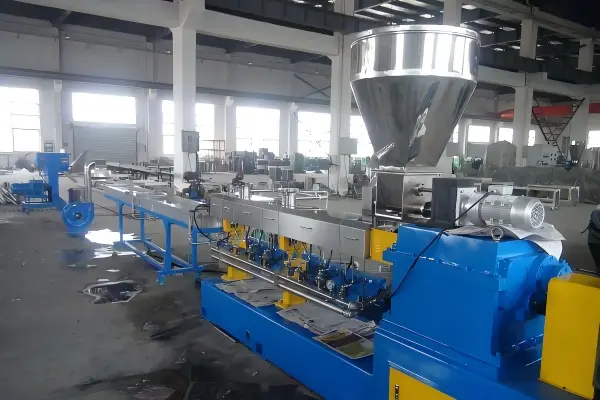
Extruders
Carry the axial reaction generated as the screw pushes material through the barrel and die. The thrust bearing assembly is typically located at the drive end, with its arrangement determined by the extruder design.
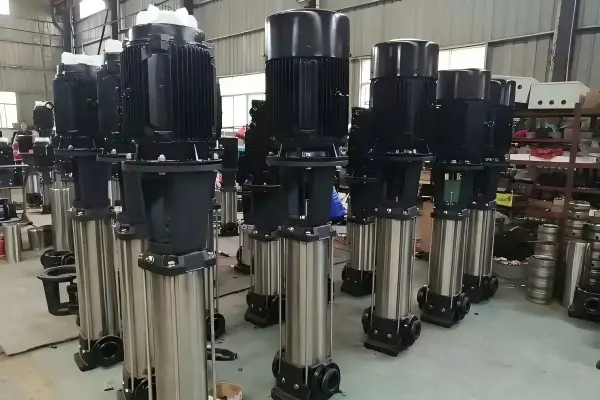
Vertical Pumps
Support hydraulic axial thrust and, in some arrangements, the weight of rotating components. Depending on the design, the thrust bearing may be located in the pump assembly or its drive motor.
Heavy Gearboxes
Carry gear-generated axial forces in reducers and transmission systems designed with a separate thrust bearing position. Radial loads are supported according to the complete shaft bearing arrangement.
Explore Gearbox Bearings →
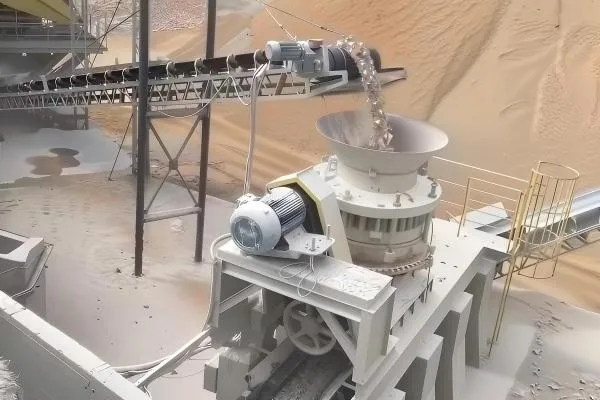
Mining Equipment
Provide axial support in selected crushers and heavy mining machinery that use rolling-element thrust bearings. Bearing requirements depend on the equipment's load path and thrust support design.
Explore Mining Equipment Bearings →
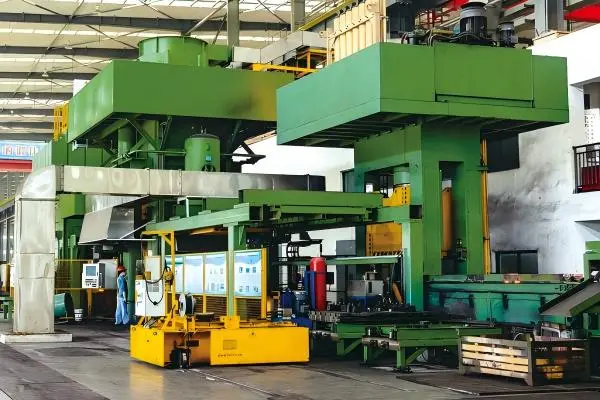
Screw Presses
Carry axial forces at the screw support position in press designs that use rolling-element thrust bearings. The bearing arrangement depends on the screw mechanism and how forming loads are transmitted to the frame.
Discuss Your Equipment Application
Send the equipment type, bearing position and an available model number or drawing. TEDIN can review the application requirements and discuss suitable supply options.
Manufacturing & Quality Control for Thrust Roller Bearings
Reliable axial load support depends on more than bearing design. TEDIN focuses on material selection, heat treatment, roller geometry and assembly accuracy to support the performance of heavy-duty thrust roller bearings.
Bearing Steel Selection
Through-hardening bearing steel or carburizing steel is selected according to the bearing structure and application requirements. Material quality provides the foundation for subsequent processing.
Hardness & Structure Checks
Hardness and metallurgical structure are checked after heat treatment to verify the material condition against specified requirements for the bearing components.
In-house Roller Production
In-house roller production supports control of roller dimensions and profiles. Logarithmic profiles are available for applicable designs to help reduce edge stress at the roller–raceway contact.
Component Matching & Assembly
Raceways and rollers are grouped and matched to control assembly accuracy. Checks follow the requirements of each bearing design to support consistent contact and load distribution.
Manufacturing & Inspection Stages
Quality checks cover material preparation, component production, assembly and final inspection. Explore TEDIN’s bearing quality control process for more information on inspection methods and controls.


Replacement & Custom Thrust Roller Bearings
TEDIN supports standard bearing replacement and custom manufacturing for non-standard thrust bearing positions. Existing model references, drawings and samples help establish the requirements before a supply solution is confirmed.
Replacement Support
Start with the original bearing designation or drawing. Replacement options are reviewed against the technical requirements, rather than matched by dimensions alone.
- Model identification: Review the full bearing designation, suffixes and available manufacturer references.
- Technical comparison: Check dimensions, load capacity, load direction, speed capability and mounting requirements.
- Supply solution: Determine whether a standard bearing, modified design or custom-manufactured bearing is appropriate.
Custom Manufacturing
For non-standard dimensions or discontinued designs, manufacturing requirements can be developed from drawings or measured samples and confirmed before production.
- Drawing-based production: Confirm bearing geometry, dimensions, tolerances and other specified requirements.
- Sample-based verification: Use photos for initial identification and physical samples for measurement where needed; account for wear when reviewing original dimensions.
- Application review: Assess material, cage design, roller profile and any clearance or preload requirements applicable to the bearing arrangement.
Request a Replacement or Custom Bearing Review
Send the bearing number or drawing, available sample photos, required quantity and operating details. Include installation dimensions if the original model information is incomplete.
Thrust Roller Bearing FAQs
Get answers about load capability, bearing selection, replacement checks and the information needed to order standard or custom thrust roller bearings.
Can thrust roller bearings carry radial loads?
It depends on the bearing type. Cylindrical thrust roller bearings are designed for axial loads and require separate radial support. Spherical thrust roller bearings can carry combined axial and radial loads, provided the axial load predominates and the manufacturer's load limits are met.
How do I choose the right type of thrust roller bearing?
Start with the axial and radial loads, load direction, speed, available space and alignment conditions. Cylindrical thrust roller bearings suit high axial loads where alignment can be maintained. Spherical thrust roller bearings provide self-aligning capability and can accommodate combined loads within specified limits. Tapered thrust roller bearings may suit heavy axial duty where their geometry and arrangement match the equipment requirements.
What information is needed for a thrust roller bearing quotation?
For a known model, send the full bearing designation, including suffixes, quantity, requested delivery date and destination country. For an unknown or custom bearing, include drawings, dimensions, clear photos and available load, speed and lubrication details. Photos can support initial identification, but a drawing or physical sample may be needed to confirm geometry and tolerances.
Can TEDIN evaluate replacements for SKF, FAG, NSK, Timken or other brands?
Yes. Send the original designation and any available drawing or technical specifications. TEDIN can review replacement options against dimensions, internal design, load ratings, speed capability and mounting requirements. Matching dimensions alone does not guarantee interchangeability.
Can you manufacture non-standard or discontinued thrust roller bearings?
TEDIN can review custom manufacturing requests based on drawings, physical samples and application details. Options may include dimensions, ring structure, cage, roller profile, material and heat treatment, subject to design and manufacturing feasibility. Worn samples require careful assessment because measured dimensions may differ from the original specification.
What are the minimum order quantity and lead time?
Both depend on the bearing model, size, quantity and production requirements. Small trial orders may be available for selected standard models, while custom bearings require additional time for drawing approval, material preparation and inspection. The applicable minimum order quantity and estimated lead time are provided with the quotation.
What inspection reports and quality documents are available?
Depending on the agreed order scope, documents may include dimensional inspection reports, inspection records and material-related documentation. Specify any certificate, traceability or special testing requirements when requesting a quotation so availability and any additional cost can be confirmed.
How are thrust roller bearings protected and packed for export?
Bearings receive corrosion protection and packaging appropriate to their size, weight and transport method. Options may include reinforced cartons, wooden cases or pallets. Special storage, handling and destination requirements should be agreed before shipment, including ISPM 15 compliance where regulated solid-wood packaging is used.
Explore More Industrial Bearing Solutions
Explore other bearing categories for radial loads, combined loads, alignment requirements and precision shaft support. Selection depends on the complete bearing arrangement and operating conditions.
Cylindrical Roller Bearings
Provide high radial load capacity and rigid shaft support. Axial load capability and displacement depend on the ring and flange design.
Explore Cylindrical Roller Bearings →
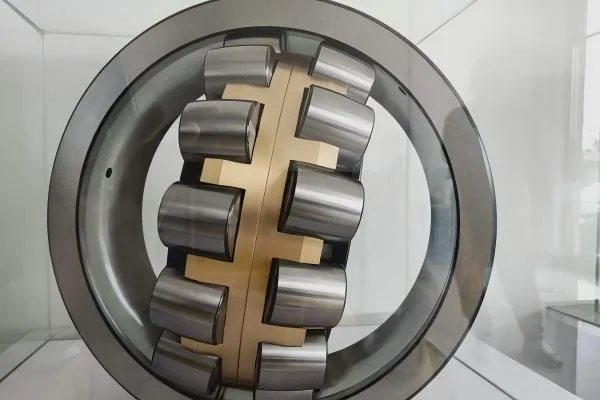
Spherical Roller Bearings
Carry heavy radial loads and axial loads in both directions, with self-aligning capability to accommodate misalignment within specified limits.
Explore Spherical Roller Bearings →
Tapered Roller Bearings
Support combined radial and axial loads in gearboxes and industrial machinery. Row configuration and mounting arrangement determine axial support.
Explore Tapered Roller Bearings →
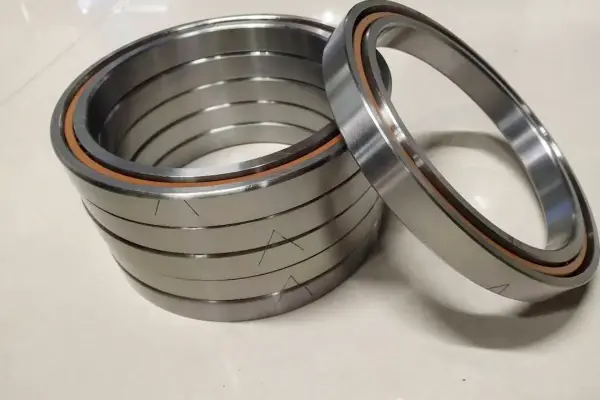
Angular Contact Ball Bearings
Support combined loads in precision and high-speed equipment. Contact angle, preload and bearing arrangement influence rigidity and speed capability.
Explore Angular Contact Ball Bearings →Discuss Your Thrust Roller Bearing Requirements
Send your bearing model, drawing or available dimensions, along with the required quantity and equipment details. Include axial load, speed and lubrication conditions where available. TEDIN can review standard, replacement or custom bearing options for your application.