Bearing Manufacturer & OEM Supplier

Spherical Roller Bearings for Heavy Radial Loads

Self-aligning bearing solutions for mining machinery, rolling mills and industrial gearboxes, with model verification and replacement support.

Bore Range: 100–1200 mm Cylindrical & Tapered Bores OEM & Replacement Support
Overview

Understanding Spherical Roller Bearings

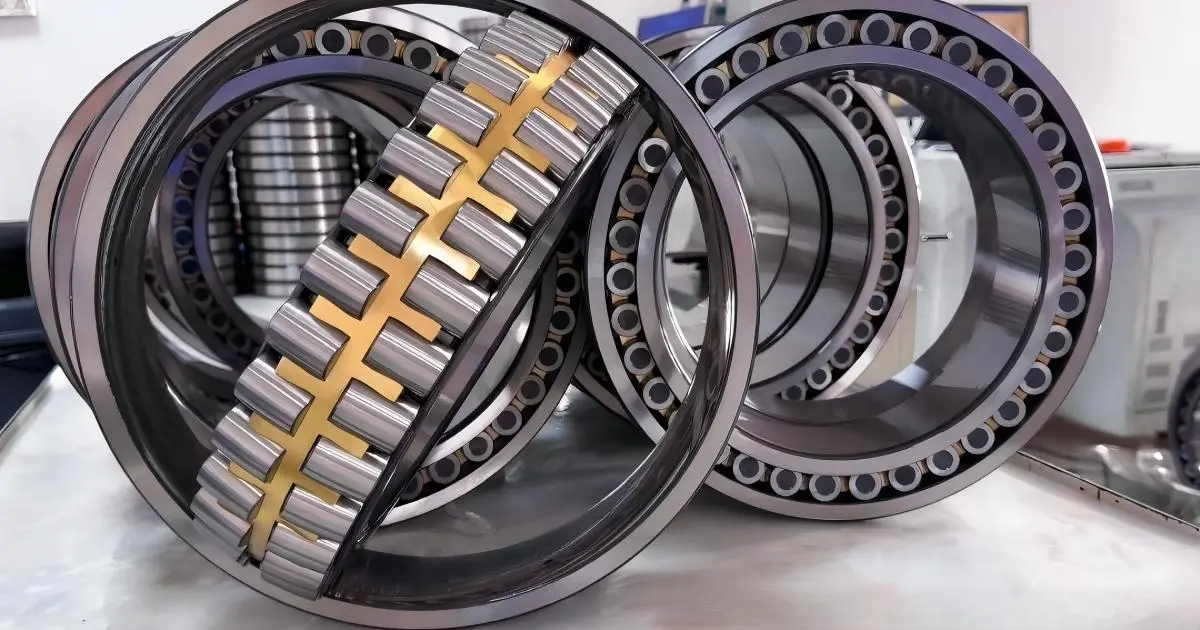
Spherical roller bearings have two rows of barrel-shaped rollers running on a common spherical outer ring raceway. They support heavy radial loads and axial loads in both directions while accommodating angular misalignment within specified limits.

Selection should consider load, speed, shaft deflection, fits and lubrication. Permissible misalignment and operating clearance depend on the bearing design and application conditions.

Supply Range

Spherical Roller Bearing Supply Range & Options

Review the available series, bore types and configuration options below. Availability varies by series, size and internal design; the complete bearing designation and application requirements should be confirmed before quotation.

SpecificationSupply Range & Options
Bore Range 100–1200 mm, subject to bearing series, internal design and manufacturing confirmation.
Bearing Series 222, 223, 230, 231, 232, 239, 240 and 241 series. Available sizes and configurations are confirmed against the requested model.
Bore Type Cylindrical and tapered bore options, depending on the bearing series and mounting arrangement.
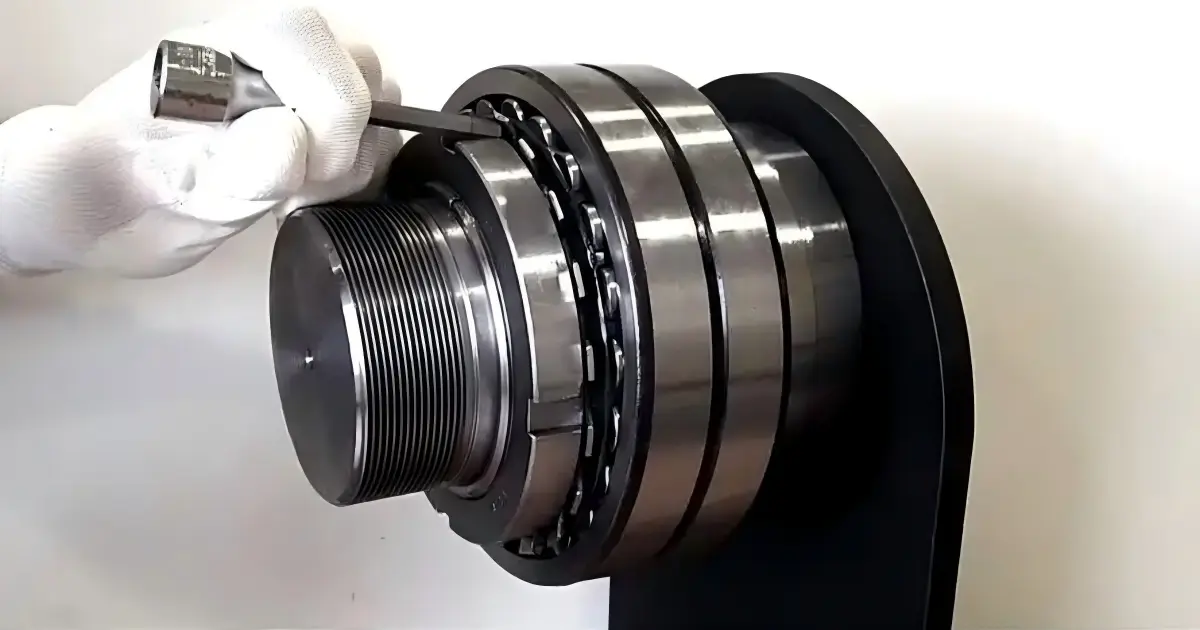
Tapered Bore Designation K: 1:12 taper. K30: 1:30 taper. Confirm the required taper against the bearing designation and shaft, adapter sleeve or withdrawal sleeve arrangement.
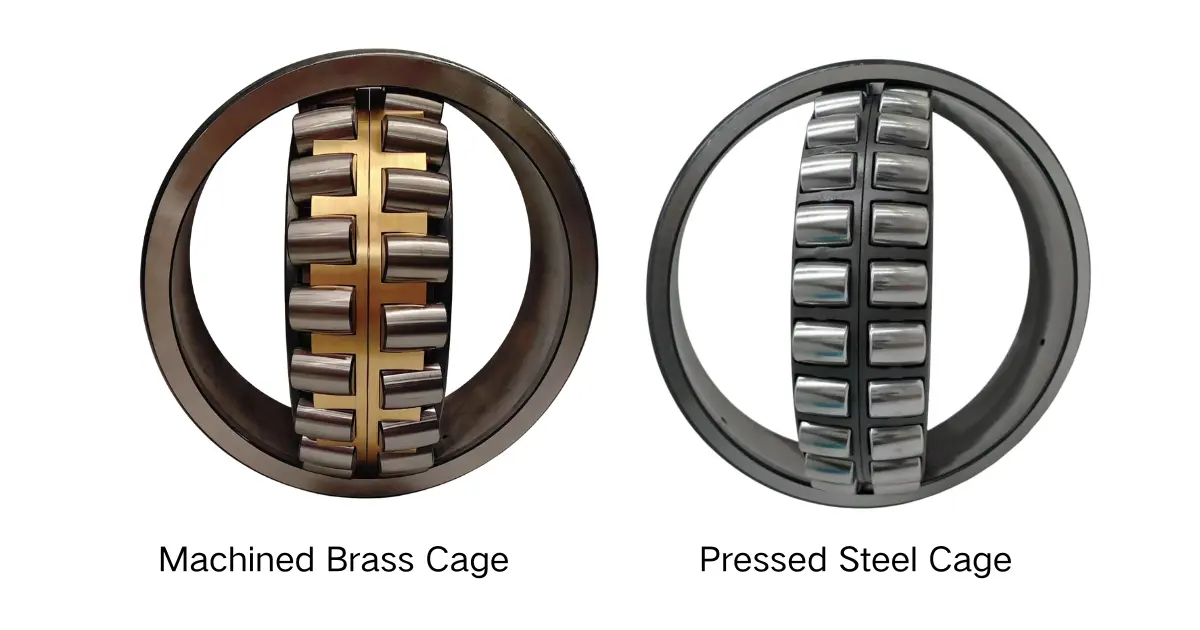
Internal Design & Cage Options Steel or machined brass cage options, depending on bearing size and internal design. Designations such as CC, CA, MB, MA, E and E1 are manufacturer-dependent and should not be treated as universal cage codes or automatically equivalent designs.
Radial Internal Clearance CN, C3 and C4 options, subject to model availability. Selection should account for fits, temperature and required operating clearance. Tapered bore mounting also requires control of clearance reduction.
Lubrication Features An outer ring lubrication groove and holes, commonly designated W33, are available on selected models. Confirm the feature and lubricant supply requirements against the complete bearing designation.
Replacement Support Review of the original bearing number, suffixes, manufacturer reference and available drawings. Replacement checks cover dimensions, internal design, load ratings, speed limits and mounting requirements. Matching dimensions alone does not guarantee interchangeability.
Structure & Features

Spherical Roller Bearing Structure & Load Support

Raceway geometry, roller contact and internal design influence load distribution and alignment capability. Review these features alongside the requirements of the complete shaft bearing arrangement.

Internal structure of a spherical roller bearing showing two roller rows and a common spherical outer ring raceway

Structure illustration: two roller rows share a spherical outer ring raceway. Cage and guide features vary by internal design.

Angular Misalignment

The spherical outer ring raceway accommodates angular misalignment within specified limits. This does not remove the need for accurate mounting, correct fits and suitable support surfaces.

Radial Load Support

Two rows of rollers distribute radial loads through the raceway contacts. Capacity depends on bearing size, internal geometry and load conditions; check the specific model's ratings.

Shock & Vibration Duty

Impact and vibration require application-specific checks of peak loads, cage design, clearance, fits and lubrication. Suitability cannot be determined from bearing series or cage material alone.

Combined Load Support

The bearing can carry axial loads in both directions together with radial loads. Check the combined load against the selected model's ratings and the required service life.

Verify the Complete Bearing Arrangement

Self-aligning capability does not provide axial freedom for thermal expansion. Confirm how the locating and non-locating bearing positions accommodate shaft movement, and check operating clearance after mounting and temperature rise.

Series Comparison

Common Spherical Roller Bearing Series

Bearing series differ in outside diameter and width relative to the bore. Use this comparison to narrow the available options, then verify the dimensions, load ratings and speed limits of the specific model.

SeriesDimensional CharacteristicsApplication Examples
222 Series A common general-purpose series. At the same bore, it is generally narrower than the 223 series, with the same nominal outside diameter. Gearboxes, conveyors, fans and general industrial machinery.
223 Series Wider than the 222 series at the same bore and nominal outside diameter. The wider envelope generally provides scope for higher load ratings, subject to internal design. Vibrating screens, crushers and heavy conveyors. Vibration duty requires a suitable bearing configuration.
230 Series A relatively compact radial section. At the same bore, it is generally narrower than the 231 series, with the same nominal outside diameter. Paper machines, fans and process equipment where the bearing envelope is a key constraint.
231 Series Wider than the 230 series at the same bore and nominal outside diameter, providing additional space for the roller arrangement. Rolling mills, industrial reducers and large gear drives.
232 Series A larger radial section than the 231 series at the same bore. Often considered where a larger bearing envelope is available for demanding load requirements. Crushers, mills, heavy-duty gearboxes and construction machinery.
239 Series A particularly small radial section, useful where outside diameter is restricted. Verify load capacity against the available installation space. Large-shaft machinery and special bearing arrangements with restricted radial space.
240 Series A wide design with a relatively compact radial section. Generally wider than the 230 series at the same bore and nominal outside diameter. Paper machines, large industrial drives and heavy equipment.
241 Series A wide design with a larger nominal outside diameter than the 240 series at the same bore. Check the actual width and load ratings rather than assuming direct interchangeability. Mining machinery, large gearboxes and heavy industrial drives.

Comparison note: Dimensional comparisons refer to standard models with the same nominal bore. Application examples are not selection recommendations. Load capacity and permissible speed also depend on internal design, cage, lubrication and operating conditions.

Need Help Comparing Bearing Series?

Send the complete bearing designation, original manufacturer reference or drawing. For a new arrangement, include the shaft diameter, available housing space, radial and axial loads, speed and operating temperature so we can review suitable options before quotation.

Design Options

Cage Designs & Common Suffixes

Compare cage arrangements and check the design details behind the complete bearing designation.

Four spherical roller bearings showing different cage arrangements
Pressed Steel

Steel Cage Arrangements

Commonly used in CC designs. Confirm cage construction, roller guidance and the permissible speed for the selected model.

Machined Brass

Brass Cage Arrangements

Commonly associated with CA, MB and MA designs. Cage construction and guidance differ; material alone does not establish suitability for demanding operating conditions.

CodeCommon Meaning
CC Internal design commonly using two pressed steel cages.
CA Internal design commonly using a one-piece machined brass cage.
MB / MA Machined brass cage arrangements; guidance method depends on the manufacturer.
E / E1 Manufacturer-specific internal designs, not universal cage material codes.
K / K30 Tapered bore: K = 1:12; K30 = 1:30.
CN / C3 / C4 Radial internal clearance: CN = normal; C3 > CN; C4 > C3.
W33 Commonly indicates an outer ring lubrication groove and three holes.

Note: Design codes vary by manufacturer. Clearance classes refer to the unmounted bearing; CN is often omitted. Confirm the complete designation before replacement.

Quality Control

Inspection, Packing & Shipment Checks

Pre-shipment checks cover the confirmed bearing designation, agreed inspection items and packing requirements. Explore our bearing quality control process for more details.

Dimensional inspection of a spherical roller bearing
Dimension Check
Radial internal clearance inspection of a spherical roller bearing
Clearance Check
Review of spherical roller bearing designation and markings
Marking Review
Protective packing for spherical roller bearing shipment
Packing Check

What We Check Before Shipment

Confirm the inspection scope and required records when placing the order. Checks follow the agreed specification and documentation requirements.

Model & Configuration

Verify the complete designation, cage arrangement, bore type, clearance class and lubrication features against the order.

Dimensions & Clearance

Check bore, outside diameter, width and radial internal clearance as specified in the agreed inspection plan.

Surface & Marking

Review accessible surfaces, chamfers, lubrication features and bearing markings for visible discrepancies.

Packing & Documents

Check rust protection, labels, protective packing, packing list and shipping marks against confirmed requirements.

FAQ

Frequently Asked Questions

Practical answers for sourcing, selecting and replacing spherical roller bearings.

Can you quote from an old bearing number?

Yes, the old bearing number is a useful starting point for an initial quotation. Send the complete marking, including suffixes and manufacturer name, plus clear photos if available. If the marking is incomplete, dimensions, a drawing or installation details may be needed before the replacement specification can be confirmed.

Can you cross-reference SKF, FAG, NSK, NTN or other brands?

We can review manufacturer references and compare possible alternatives. Matching boundary dimensions alone does not establish interchangeability: internal design, cage guidance, clearance, bore taper, load ratings and speed limits also matter. Similar suffixes can have different meanings across manufacturers.

Should a replacement keep the original C3, C4, K or W33 suffix?

Use the original configuration as a reference, but verify the meaning of each suffix for the replacement manufacturer. C3 and C4 identify radial internal clearance classes; K commonly indicates a 1:12 tapered bore; W33 commonly indicates an outer ring lubrication groove and three holes. Changes to fit, temperature or duty may require the specification to be reviewed.

How do I choose between CN, C3 and C4 clearance?

These classes describe radial internal clearance before mounting, not operating clearance. Selection should account for interference fits, mounting clearance reduction and temperature differences between the rings, as well as load and speed. Send the shaft and housing fits, operating conditions and existing designation for review; greater initial clearance is not automatically a better choice.

Are large-size spherical roller bearings available?

Availability is checked by complete designation or drawing, dimensions, internal design, clearance and quantity. Send these details so we can confirm the supply options and lead time for the specific bearing.

Can you supply bearings for crushers, vibrating screens and other heavy equipment?

We can review requirements for crushers, vibrating screens, conveyors, gearboxes, rolling mills and mining equipment. Provide the bearing position, loads, speed and lubrication conditions. Vibrating-screen duty requires additional checks of cage design, clearance and suitability for vibration.

What affects price and delivery time?

Price and lead time depend on the complete bearing specification, size, quantity, availability and any special inspection, packing or documentation requirements. Include the delivery destination and required date so the quotation can account for shipping arrangements.

Contact TEDIN

Need the Right Spherical Roller Bearing for Your Equipment?

Send your bearing number, manufacturer reference or drawing, together with your application details and required quantity. TEDIN can review the bearing configuration and confirm supply options before quotation.

Send Bearing Details
We use your name, email and message only to reply to your inquiry.
Send Your Bearing Details
We use your name, email and message only to reply to your inquiry.