Vibrating screen bearings for mining and screening equipment
← Back to Mining Equipment Bearings
Bearing Support for Screening Equipment

Vibrating Screen Bearings for Mining and Screening Equipment

Bearing solutions for circular screens, linear screens and heavy-duty shaker equipment, selected for vibration, shock loads, contamination and continuous operation in mining and aggregate plants.

Application Conditions

Bearing Conditions in Vibrating Screen Applications

Vibrating screens expose bearings to vibration, impact, dust and long running hours. A suitable bearing must keep stable rotation while carrying heavy loads in harsh mining and aggregate environments.

01

Continuous Vibration

The bearing runs under constant vibration while the screen is working. This can increase stress on the cage, rollers and raceways.

02

Heavy Radial Loads

Screen weight, material load and rotating parts create strong radial forces. The bearing must support these loads without unstable running.

03

Shock and Impact

Large stones, uneven feeding and frequent start-stop operation can create impact loads. These shocks may shorten bearing service life.

04

Dust and Contamination

Mining and quarry sites contain dust, moisture and fine particles. Once contamination enters the bearing, wear can develop quickly.

05

Misalignment Risk

Screen frames may flex during operation. Shaft movement or installation errors can also cause misalignment between the bearing and housing.

06

Lubrication Difficulty

Vibration, heat and long duty cycles affect grease performance. Poor lubrication can lead to higher temperature and faster wear.

Bearing Requirements

What Vibrating Screen Bearings Need to Withstand

A vibrating screen bearing should not be selected only by size or bearing number. The same bearing position may work under very different load, speed, temperature and contamination conditions.

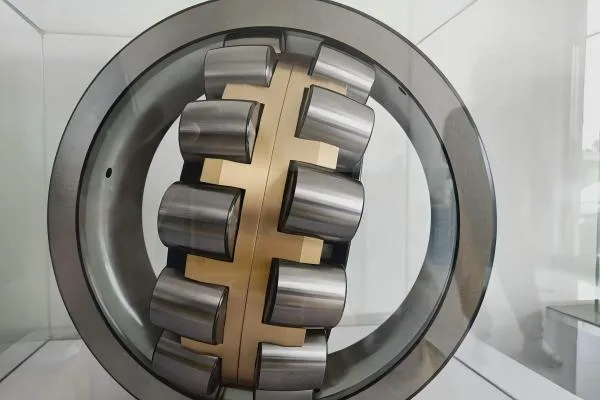
In many screening machines, spherical roller bearings are used because they support heavy radial loads and tolerate a certain level of misalignment. But clearance, cage type and lubrication still need to match the real working condition.

  • Check the screen type, such as circular screen, linear screen or shaker screen.
  • Confirm the bearing position on the shaft, drive side or non-drive side.
  • Review vibration level, running speed and operating temperature.
  • Consider dust, moisture and relubrication conditions on site.
  • Inspect dimensions, clearance and surface condition before shipment.

Tedin supports replacement bearing selection and inspection before delivery. You can also view our quality control process for more details.

Application Areas

Where Vibrating Screen Bearings Are Used

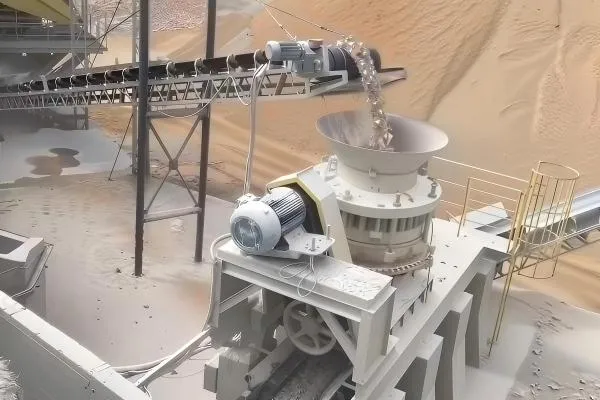
Vibrating screen bearings are used in equipment that separates, grades or feeds bulk materials. The working condition depends on screen type, material size, load and site environment.

Tedin supplies bearing solutions for screening machines used in mining, quarrying, aggregate processing and other heavy-duty material handling applications.

Circular Vibrating Screens Used for material grading in mining, quarry and aggregate plants.
Linear Vibrating Screens Common in high-capacity screening lines where stable running and load support are required.
Shaker Screens and Feeders Bearings may work with impact loads, vibration and frequent material flow changes.
Mining and Aggregate Equipment Suitable for crushers, screens, conveyors and related heavy-duty processing machinery.
Failure Signs

Common Signs You Need to Replace Vibrating Screen Bearings

Vibrating screen bearings work under heavy radial load, impact and continuous vibration. When abnormal noise, heat or visible damage appears, timely inspection and replacement can help reduce unplanned downtime.

Vibrating screen bearing raceway damage and pitting

Raceway Pitting or Peeling

Visible pitting, peeling or spalling on the raceway usually indicates fatigue damage caused by repeated shock load, contamination or poor lubrication.

Overheating signs on vibrating screen bearing

Abnormal Heat or Noise

Rising temperature, harsh noise or unstable vibration can be early warning signs of incorrect clearance, lubrication failure or internal bearing damage.

Damaged cage and rollers of vibrating screen bearing

Cage or Roller Damage

Cracked cages, worn rollers or metal particles in grease may show that the bearing has been affected by severe vibration, misalignment or impact load.

Maintenance tip: If the bearing number is still visible, take a clear photo before removing the bearing. This helps confirm the correct replacement model, clearance and equivalent option faster.
Replacement Support

Replacement and Cross-Reference Support

For maintenance or overhaul projects, Tedin can help check suitable replacement bearings according to the existing model, bearing dimensions, clearance and vibrating screen application.

01

Send Bearing Number

Provide the current bearing model, brand or photos of the marking on the bearing.

02

Check Dimensions

We compare bore size, outside diameter, width, bearing type and basic structure.

03

Confirm Clearance

Internal clearance, cage design and vibrating screen working conditions are reviewed.

04

Offer Options

Tedin provides suitable bearing options for repair, overhaul or spare parts supply.

Need a replacement bearing?

Send us the bearing number, brand, machine model, shaft size or bearing marking photo.

Ask for cross-reference support
FAQ

Frequently Asked Questions About Vibrating Screen Bearings

Answers to common questions about bearing selection, clearance, lubrication and replacement support for vibrating screen applications.

What bearings are commonly used in vibrating screens?

Spherical roller bearings are commonly used in vibrating screens because they can handle heavy radial loads, shaft deflection and misalignment. Cylindrical roller bearings may also be used in selected designs where high radial load capacity and separable mounting are required.

What clearance is recommended for vibrating screen bearings?

Vibrating screen bearings often require increased internal clearance, such as C3 or C4, depending on the screen design, shaft fit, operating temperature and vibration level. The final clearance should be selected according to the equipment conditions and mounting arrangement.

Why do vibrating screen bearings fail early?

Early bearing failure may be caused by incorrect clearance, poor lubrication, contamination, misalignment, overloading, improper mounting or excessive operating temperature. In vibrating equipment, repeated shock and vibration can accelerate damage if the bearing is not properly selected or maintained.

Can Tedin provide replacement bearings for existing screen models?

Yes. If the original bearing number, equipment model or bearing dimensions are available, Tedin can help check suitable replacement or equivalent bearing options for maintenance, repair and spare parts supply.

What information is needed to select a vibrating screen bearing?

Useful information includes bearing number, shaft diameter, housing size, screen speed, vibration amplitude, load condition, lubrication method, operating temperature and any failure symptoms from the existing bearing.

Do vibrating screen bearings require special lubrication?

Proper lubrication is very important for vibrating screen bearings. Grease type, relubrication interval and sealing condition should match the vibration level, operating temperature, dust exposure and running speed of the equipment.

Need Bearing Support?

Send Your Vibrating Screen Bearing Requirements

Tell us your bearing number, screen model, shaft size or working conditions. Tedin can help check suitable bearing options for replacement, maintenance or new equipment projects.

Send an Inquiry
We use your name, email and message only to reply to your inquiry.