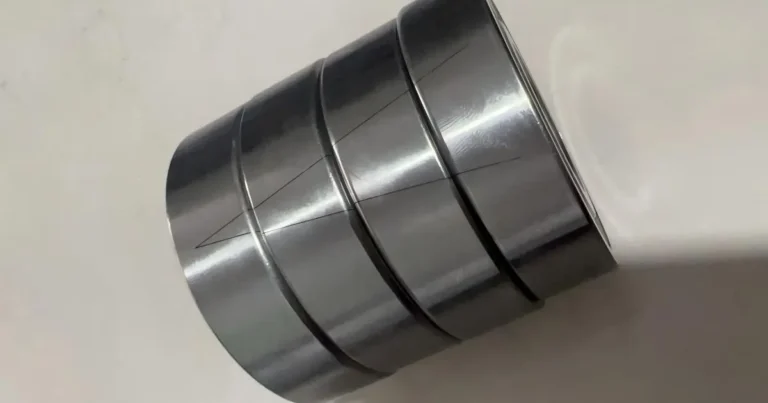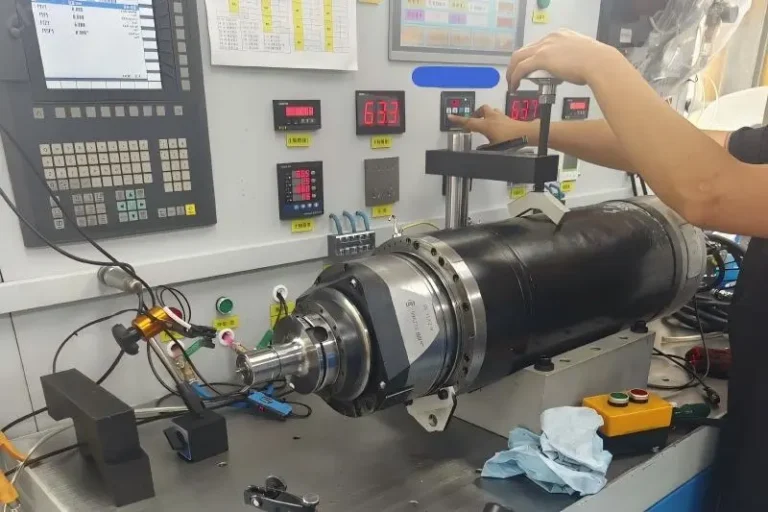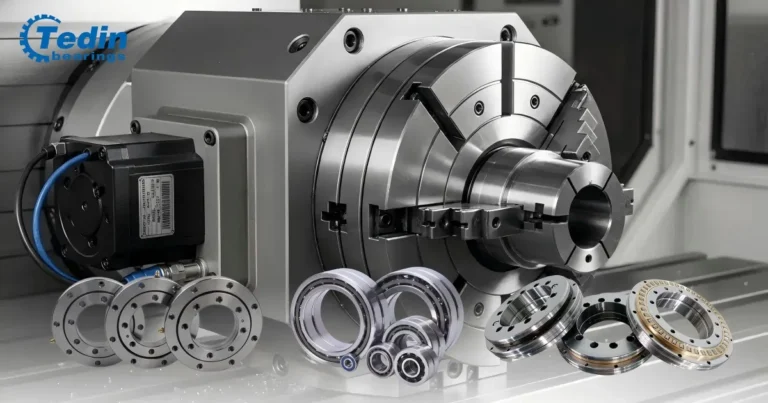
Machine tool bearings are critical components used in high-speed, high-precision machining equipment. They support spindle rotation, control runout, withstand cutting loads and help maintain machining accuracy over long operating periods.
This guide explains the common types of machine tool bearings, key selection factors and typical applications in CNC spindles, grinding machines, milling machines and machining centers.
What Are Machine Tool Bearings?
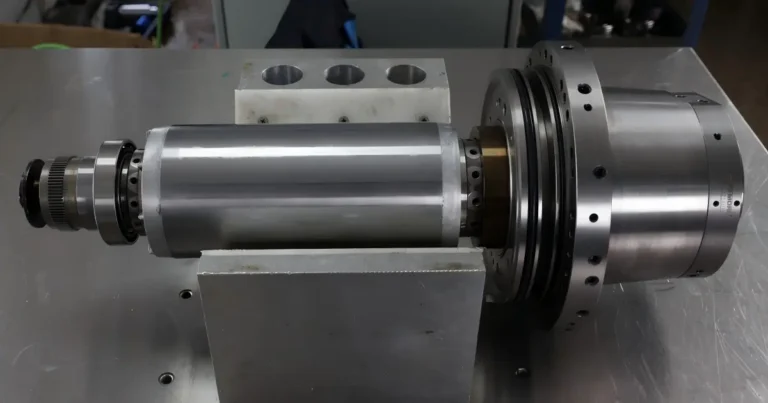
Machine tool bearings are precision bearings designed for machine tool spindles and other high-accuracy rotating systems. Compared with general industrial bearings, they usually require higher running accuracy, better rigidity, controlled preload and stable performance at high speed.
In many machine tools, bearing performance directly affects surface finish, dimensional accuracy, tool life and spindle temperature rise.
Common Types of Machine Tool Bearings
Different machine tool applications require different bearing arrangements. The most common types include angular contact ball bearings, cylindrical roller bearings, tapered roller bearings and thrust bearings.
Angular Contact Ball Bearings
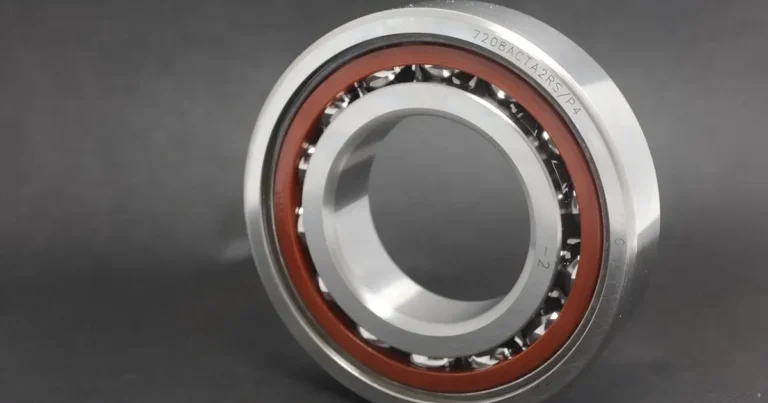
Angular contact ball bearings are widely used in high-speed machine tool spindles. They can support combined radial and axial loads and are commonly arranged in pairs or sets to achieve higher rigidity and controlled preload.
- Suitable for high-speed spindle applications.
- Can carry radial and axial loads.
- Available in precision grades for CNC machines.
- Often used in back-to-back or face-to-face arrangements.
Cylindrical Roller Bearings
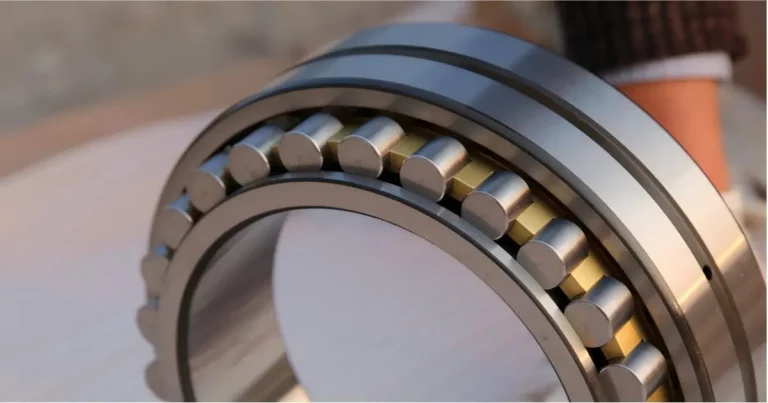
Cylindrical roller bearings provide high radial load capacity and high rigidity. They are often used in spindle systems where radial stiffness is more important than axial load capacity.
- High radial rigidity.
- Suitable for heavy cutting conditions.
- Often combined with angular contact bearings.
Thrust Bearings
Thrust bearings are used when axial load support is required. In machine tool spindle systems, they may be used together with radial bearings to control axial positioning and improve stability.
Machine Tool Bearing Selection Factors
Selecting the correct machine tool bearing depends on speed, load, precision requirement, rigidity, lubrication method and operating temperature. The bearing arrangement should match both machining conditions and spindle design.
| Selection Factor | Why It Matters | Typical Consideration |
|---|---|---|
| Speed | High-speed operation increases heat and affects lubrication. | Use precision angular contact bearings for high-speed spindles. |
| Load | Cutting force creates radial and axial loads on the spindle. | Choose bearing type based on load direction and magnitude. |
| Precision | Runout control is essential for machining accuracy. | Use high precision grades such as P4 or higher where required. |
| Rigidity | Higher rigidity helps reduce vibration and improve surface finish. | Consider preload and bearing arrangement. |
| Lubrication | Lubrication affects temperature, speed capability and service life. | Grease, oil-air or oil mist lubrication may be used. |
Precision Grade and Preload
Machine tool bearings often use higher precision grades to reduce runout and improve spindle accuracy. Preload is also important because it increases rigidity and helps control axial movement.
However, excessive preload can increase friction, temperature rise and bearing wear. For this reason, preload should be selected according to spindle speed, load, bearing size and cooling conditions.
Lubrication Methods for Machine Tool Bearings
Lubrication has a major influence on bearing speed, noise, temperature and service life. Common lubrication methods include grease lubrication, oil-air lubrication and oil mist lubrication.
Grease Lubrication
Grease lubrication is simple and cost-effective. It is commonly used in many standard spindle applications where speed and temperature are moderate.
Oil-Air Lubrication
Oil-air lubrication is suitable for high-speed spindles. It provides a small and controlled amount of oil, helping reduce heat generation while maintaining stable lubrication.
Typical Applications
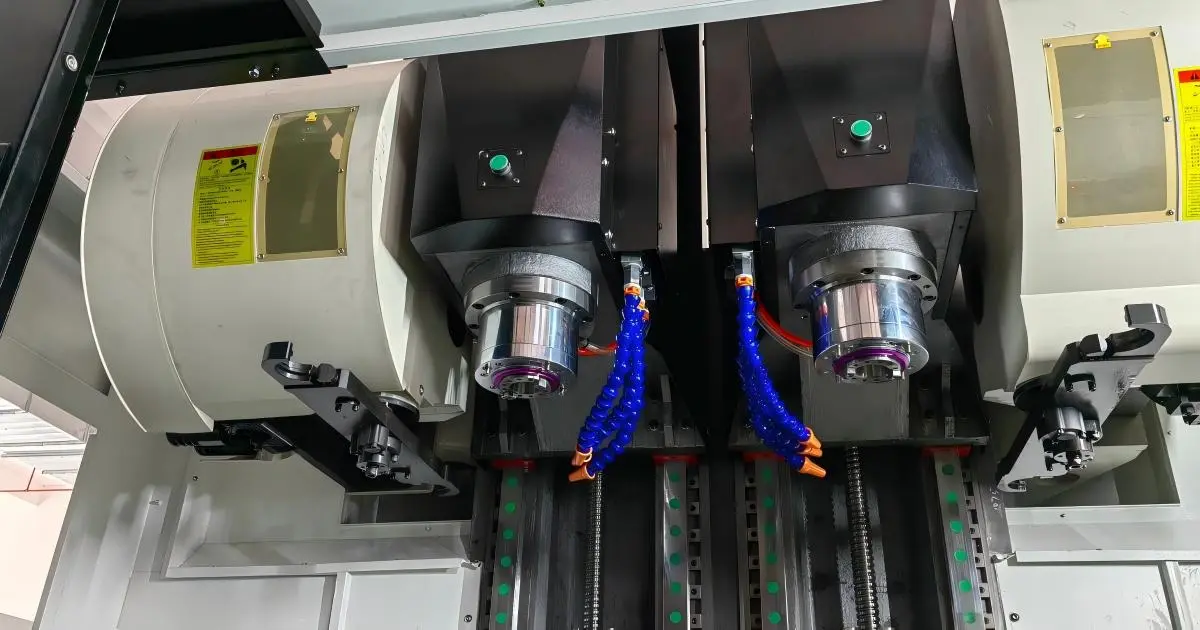
Machine tool bearings are used in many types of precision equipment. Typical applications include CNC machining centers, grinding machines, milling machines, boring machines and turning centers.
- CNC spindle units
- High-speed machining centers
- Precision grinding machines
- Milling and boring machines
- Turning centers and lathe spindles
How TEDIN Supports Machine Tool Bearing Selection
TEDIN supplies precision bearings for industrial and machine tool applications. If you are selecting or replacing machine tool bearings, our team can review bearing models, working speed, load conditions, lubrication method and application requirements.
You can send us your bearing model, drawings or application details through the contact form. Our team will help check suitable bearing types and possible replacement options.
Machine Tool Bearing FAQ
What bearings are commonly used in machine tool spindles?
Angular contact ball bearings are commonly used in high-speed machine tool spindles. Cylindrical roller bearings may also be used when high radial rigidity is required.
Why is preload important for machine tool bearings?
Preload improves spindle rigidity and helps control axial movement. However, too much preload may increase heat and reduce bearing life.
What information is needed to select a machine tool bearing?
Useful information includes bearing model, spindle speed, load direction, precision requirement, lubrication method, operating temperature and machine type.