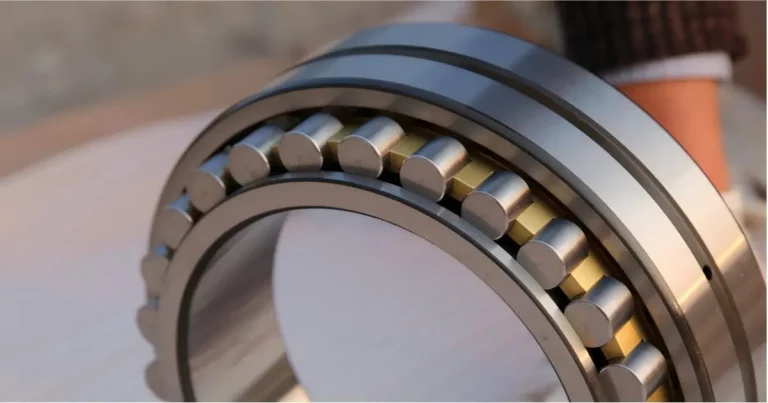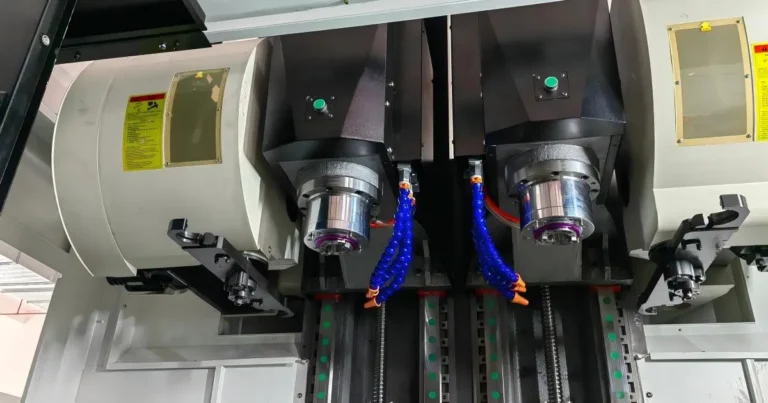
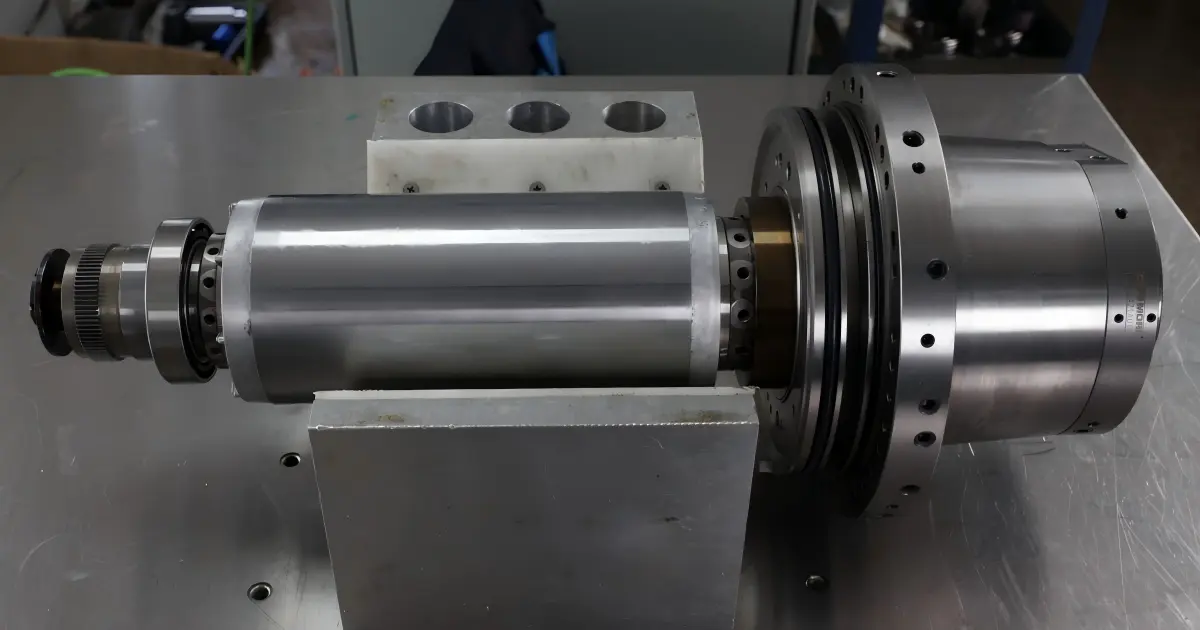
Lubrication has a direct effect on machine tool spindle bearing temperature, running accuracy and service life. Too little lubricant can increase friction and wear. Too much can create heat, especially at high speeds.
The right method depends on bearing design, spindle speed, load, operating conditions and the manufacturer’s recommendations. This guide compares grease and oil-air lubrication and outlines practical points to check.
For an overview of bearing types and applications, see our machine tool bearings guide. For spindle-specific applications, visit our machine tool spindle bearings page.
Why Spindle Bearing Lubrication Matters
Spindle bearings operate under demanding conditions. They need a stable lubricant film while keeping friction and heat under control. Incorrect lubrication can contribute to rising temperature, vibration, noise and premature wear.
A lubrication issue is not always caused by the lubricant itself. Incorrect quantity, poor delivery, contamination, unsuitable speed conditions or blocked supply lines can also affect bearing performance.
Grease vs. Oil-Air Lubrication
| Lubrication Method | Common Advantages | Points to Consider |
|---|---|---|
| Grease | Simple system, low maintenance and suitable for many standard operating conditions | Excess grease can increase churning and heat; relubrication intervals matter |
| Oil-Air | Provides a controlled oil supply and is commonly used in high-speed spindle systems | Requires a correctly set delivery system, clean air and regular checks |
| Oil Mist | Can supply lubricant continuously in systems designed for this method | Requires compatible equipment and proper control of oil delivery and mist |
Neither method is right for every spindle. Always check the bearing specification and spindle manufacturer’s instructions before changing the lubricant or lubrication method.

How to Choose a Lubrication Method
Start with the spindle and bearing specifications, rather than choosing based on convenience alone. Check the following:
- Operating speed: Confirm that the lubrication method is suitable for the spindle’s speed range.
- Bearing type and arrangement: Different bearing designs and arrangements may have different lubrication requirements.
- Operating temperature: Track temperature during warm-up and normal operation, and investigate unusual changes.
- Duty cycle: Consider operating hours, start-stop frequency and load variations.
- Maintenance requirements: Make sure the lubrication system can be checked and maintained as specified.
If you are selecting bearings for a new spindle, review the bearing arrangement and application requirements together. See our pages on machine tool bearings and machine tool spindle bearings for more application information.
Common Lubrication Mistakes
Adding Too Much Grease
More grease does not necessarily mean better lubrication. Excess grease can increase churning and temperature. Follow the specified fill quantity and relubrication interval.
Using the Wrong Lubricant
A lubricant that is unsuitable for the bearing, speed or operating temperature may not provide the required performance. Do not substitute products without checking compatibility and the equipment requirements.
Ignoring the Oil-Air Supply
For oil-air systems, check the oil supply, air pressure, tubing and delivery cycle. A system fault can interrupt lubricant delivery even when the bearing itself is in good condition.
Allowing Contamination
Dust, chips, coolant and other contaminants can damage bearing surfaces. Keep lubricant containers, fittings and supply lines clean during handling and maintenance.
Basic Maintenance Checks
A simple, consistent inspection routine can help identify lubrication problems early:
- Record spindle temperature and watch for changes from its normal operating trend.
- Listen for new or unusual noise and check for increased vibration.
- Inspect oil-air supply indicators, lines and connections where applicable.
- Follow the specified grease type, quantity and relubrication schedule.
- Check seals and surrounding areas for signs of contamination or lubricant leakage.
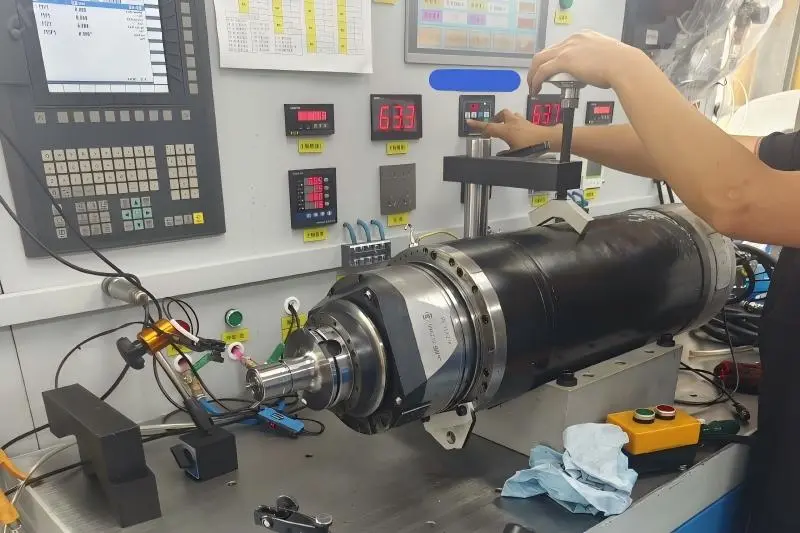
If the spindle continues to overheat or show abnormal noise or vibration after the lubrication system has been checked, inspect the full spindle assembly. Replacing a bearing without finding the underlying cause may not resolve the problem. See our machine tool spindle replacement page for related service information.
Related Bearing Products
The suitable lubricant and delivery method depend partly on the bearing design. When reviewing a spindle application, check the bearing type, speed, load and lubrication requirements together.
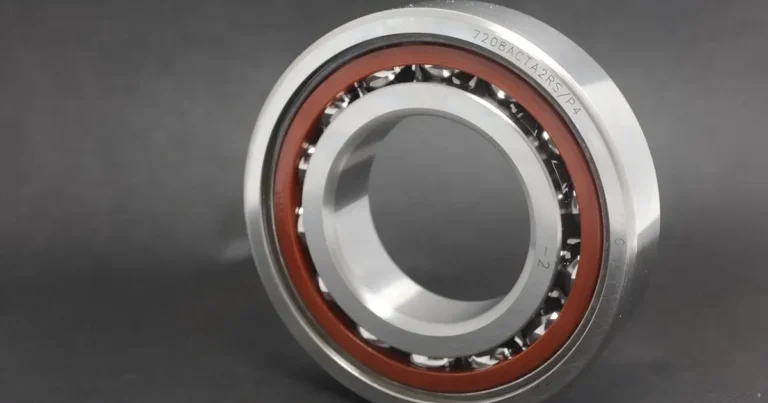
- Angular contact ball bearings for spindle applications
- Cylindrical roller bearings for applications requiring radial rigidity
Frequently Asked Questions
Is grease or oil-air better for machine tool spindle bearings?
It depends on the bearing, spindle speed, operating conditions and equipment design. Follow the bearing and spindle manufacturer’s recommendations rather than changing methods based on a general rule.
Can too much grease cause a spindle bearing to overheat?
Yes. Excess grease can increase churning and heat. Use the specified amount and follow the recommended relubrication interval.
What should I check if an oil-air spindle bearing runs hot?
Check the oil supply, air pressure, delivery cycle, tubing and connections. Also review spindle speed, operating temperature and the bearing arrangement against the equipment specifications.