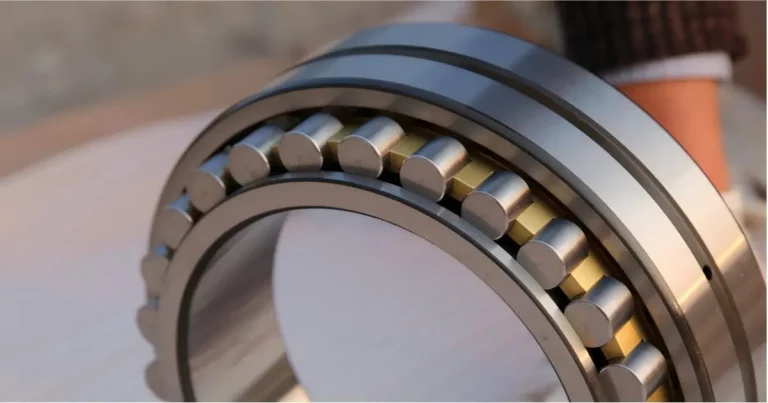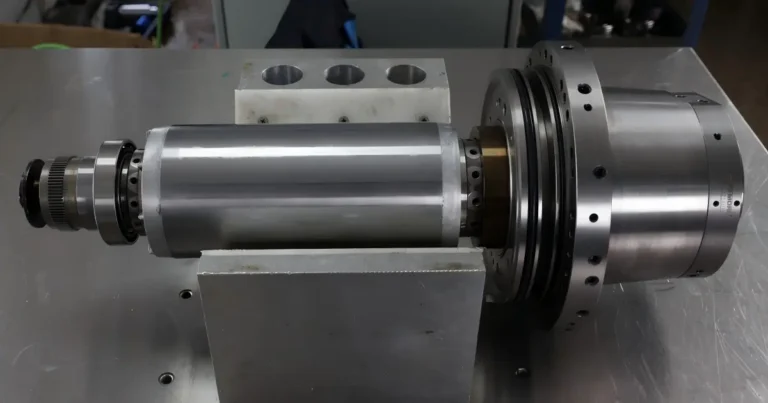
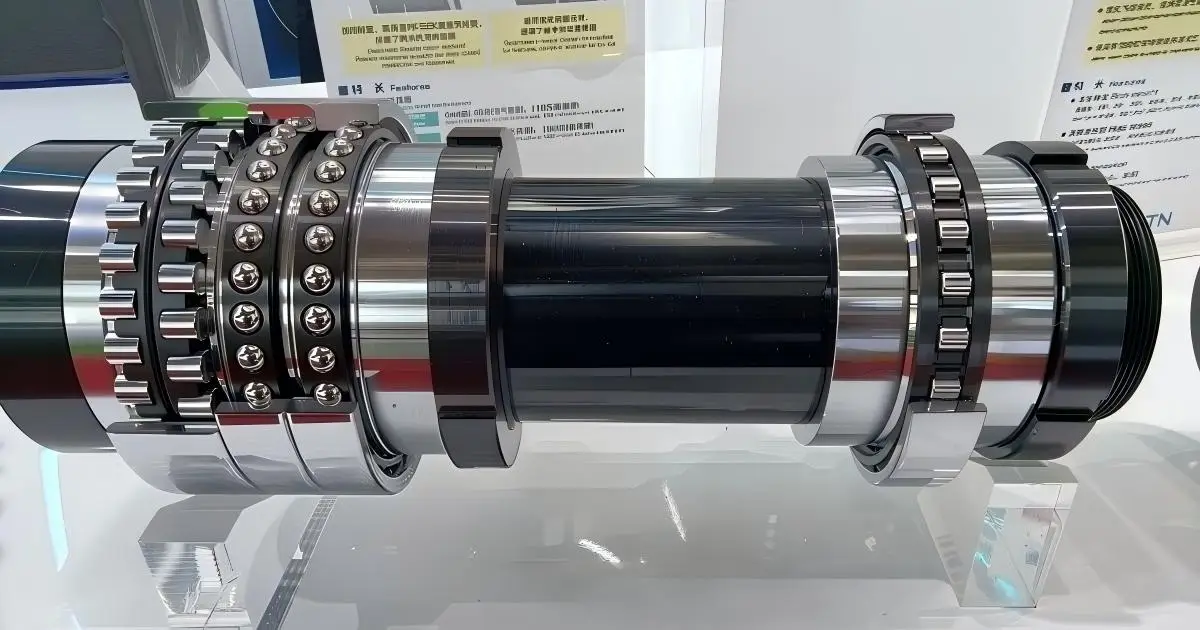
Machine tool bearings are key components in CNC spindles, grinding machines, milling centers, turning machines and other high-speed machining equipment. Compared with general industrial bearings, they must provide low runout, stable preload, controlled temperature rise and consistent running accuracy.
Even a small bearing problem can affect machining accuracy, surface finish and tool life. For this reason, machine tool bearing failure analysis is an important part of spindle maintenance and reliability control.
For a broader overview of bearing types and selection methods, you may also read our
machine tool bearing selection guide.
Why Machine Tool Bearing Failure Matters
In precision machine tools, bearing condition directly affects spindle accuracy, surface quality and process stability. When a bearing starts to fail, the machine usually shows warning signs before serious damage occurs.
- Increased spindle vibration
- Higher operating temperature
- Abnormal noise during rotation
- Poor surface finish on machined parts
- Reduced dimensional accuracy
- Shorter tool life
- Unplanned downtime and repair cost
Early detection helps prevent spindle seizure, shaft or housing damage, and costly production interruptions.
Common Symptoms of Machine Tool Bearing Failure
Machine tool bearing failure rarely happens without warning. In most cases, CNC spindles show changes in noise, vibration, temperature or machining accuracy before the bearing is completely damaged.
Abnormal Noise
A healthy spindle bearing should run with a smooth and stable sound. Grinding, clicking, humming or irregular metallic noise often points to surface damage, poor lubrication, contamination or cage wear.
Excessive Vibration
Vibration is one of the most useful signals in spindle bearing failure analysis. Increased vibration can come from rolling element damage, raceway fatigue, imbalance, poor mounting, incorrect preload or misalignment. In high-speed spindles, even small defects can create noticeable vibration changes.
Bearing Overheating
Overheating is often linked to excessive preload, poor lubrication, high-speed operation beyond the bearing limit, or thermal expansion in the spindle system. If the temperature keeps rising or fails to stabilize, the bearing condition should be checked.
Poor Machining Accuracy
When bearing running accuracy declines, radial or axial runout may increase. This can lead to dimensional errors, taper problems, poor roundness and inconsistent surface finish.
Increased Spindle Runout
Spindle runout is closely related to bearing precision, preload and mounting quality. Increased runout may indicate bearing wear, raceway damage, improper assembly or loss of preload.
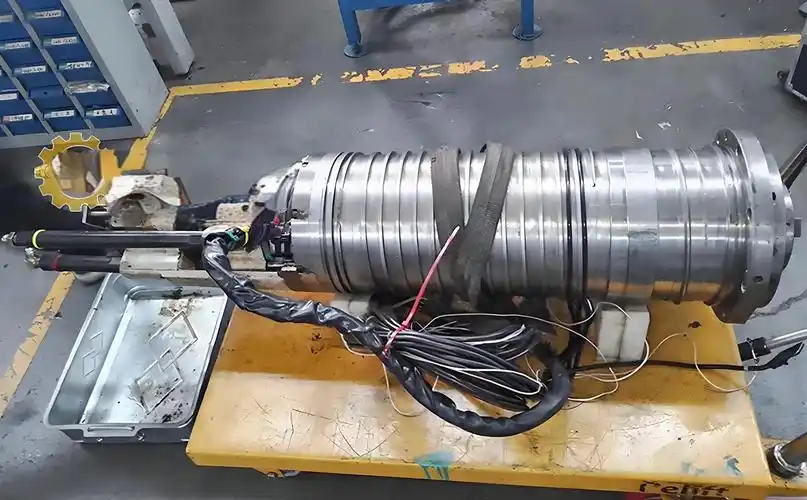
Main Causes of Machine Tool Bearing Failure
Replacing a damaged bearing is not enough if the root cause remains unchanged. The same problem may damage the new bearing again in a short time.
Improper Lubrication
Lubrication is one of the most common causes of machine tool bearing failure. Too little lubricant causes metal-to-metal contact, high friction and wear. Too much grease can also generate heat, especially in high-speed spindle bearings.
In precision spindles, the lubrication method must match bearing type, speed, preload and working environment. Common options include grease lubrication, oil-air lubrication and oil mist lubrication.
Contamination and Particle Ingress
Machine tool bearings require a clean working environment. Dust, metal chips, coolant and abrasive particles can damage raceways and rolling elements. In grinding machines, fine abrasive particles can quickly accelerate bearing wear.
Incorrect Preload
Preload improves spindle rigidity and running accuracy, but incorrect preload creates problems. Excessive preload increases friction, heat and stress. Insufficient preload can cause vibration, poor rigidity and unstable machining accuracy.
Excessive Cutting Load
Heavy cutting, interrupted cutting and impact load can overload the bearing. If the bearing arrangement does not provide enough radial or axial load capacity, premature fatigue, indentation or raceway damage may occur.
Misalignment During Installation
Poor mounting can damage precision bearings before the machine starts running. Misalignment, uneven tightening, wrong fitting tolerance, shaft burrs or poor housing accuracy can cause local stress concentration and abnormal operation.
Over-Speed Operation
Every bearing has a limiting speed. When a bearing operates above its recommended range, heat increases and the lubrication film becomes less stable. High-speed applications require suitable bearing design, cage material, preload and lubrication.
Poor Cooling or Thermal Expansion
Machine tool spindles are sensitive to thermal expansion. If cooling is insufficient or temperature distribution is uneven, preload may change during operation. This can cause overheating, accuracy loss and shorter bearing life.
Machine Tool Bearing Failure Modes
Different failure modes provide clues about the real cause of damage. Visual inspection, vibration data, temperature history and lubricant condition are often used together during analysis.
| Failure Mode | Typical Appearance | Possible Causes | Common Result |
|---|---|---|---|
| Fatigue Spalling | Flaking or pitting on raceway | Repeated stress, overload, long service life | Noise, vibration, accuracy loss |
| Wear and Scratching | Rough surface, scratches, dull raceway | Contamination, poor lubrication, sliding | Heat generation and unstable rotation |
| Cage Damage | Cracked, worn or deformed cage | High speed, poor lubrication, vibration | Severe noise and possible bearing seizure |
| Fretting Corrosion | Reddish-brown marks on contact surfaces | Micro-movement, vibration during standby or transport | Mounting surface damage and poor accuracy |
| Electrical Pitting | Fluted or crater-like raceway marks | Stray current passing through bearing | Noise, vibration and raceway deterioration |
| Brinelling | Indentations on raceway | Impact load, improper mounting force, static overload | Periodic vibration and noise |
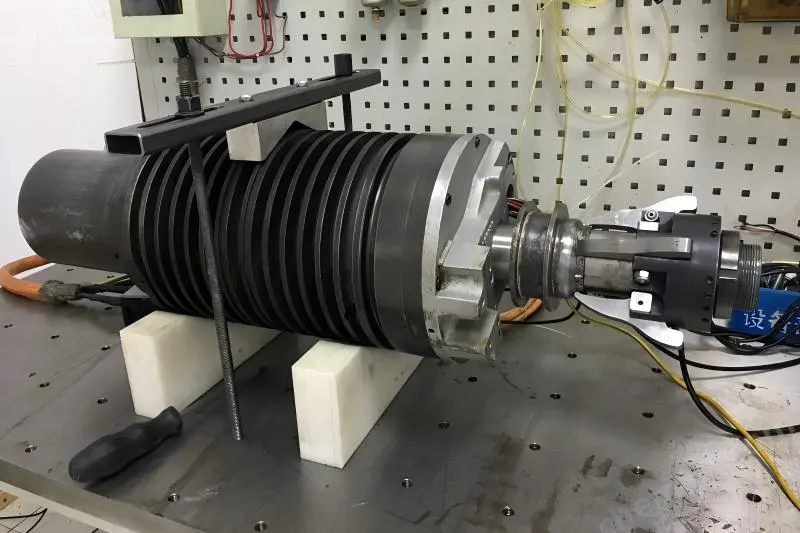
How to Diagnose Machine Tool Bearing Problems
Accurate diagnosis should be based on operating data, inspection records and application conditions. The following methods are commonly used in machine tool bearing failure analysis.
Temperature Monitoring
Temperature trend is more useful than a single reading. Continuous temperature rise, unstable temperature curves or sudden overheating often indicate preload, lubrication or cooling problems.
Vibration Analysis
Vibration analysis helps identify bearing defects, imbalance, misalignment and looseness. For CNC spindle bearings, it is especially useful because early bearing damage is often not visible from outside.
Noise Inspection
Abnormal noise can indicate lubrication failure, contamination or surface damage. However, noise should not be used as the only diagnostic method, because different failures can create similar sounds.
Lubricant Condition Check
Grease discoloration, metal particles, burnt smell, hardening or contamination can indicate abnormal bearing operation. In oil-air systems, oil supply quantity and air pressure should also be checked.
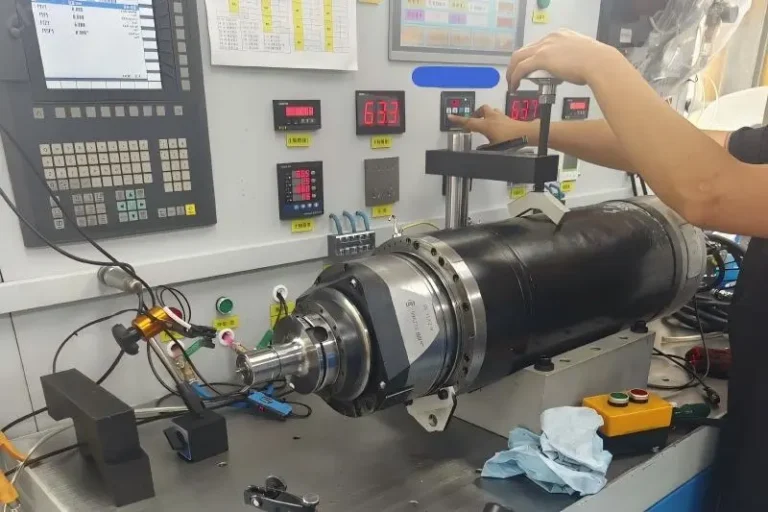
Runout Measurement
Measuring radial and axial runout helps confirm whether the spindle still meets machining accuracy requirements. Increased runout may be caused by bearing wear, mounting error or spindle component deformation.
Prevention Methods for Machine Tool Bearing Failure
Bearing failure prevention depends on correct bearing selection, clean assembly, proper lubrication and stable operating conditions.
- Select the correct bearing type: Choose angular contact ball bearings, cylindrical roller bearings or thrust bearings according to speed, load, rigidity and accuracy requirements.
- Control bearing preload: Use a suitable preload level and consider thermal expansion during high-speed operation.
- Use proper lubrication: Match grease, oil-air or oil mist lubrication with spindle speed, bearing size and working conditions.
- Improve cleanliness: Prevent coolant, chips, abrasive particles and dust from entering the bearing area.
- Follow proper mounting procedures: Avoid hammering, uneven force, contamination and incorrect fitting during installation.
- Monitor operating conditions: Track temperature, vibration, noise and spindle runout to detect problems early.
When Should Machine Tool Bearings Be Replaced?
Not every abnormal signal means immediate replacement is required. However, the following conditions usually require inspection or replacement.
- Continuous abnormal noise during spindle operation
- Temperature rise that cannot stabilize
- Excessive vibration beyond acceptable limits
- Noticeable machining accuracy loss
- Visible damage after disassembly
- Metal particles or serious contamination in lubricant
- Spindle runout exceeding process requirements
Selection Factors Related to Bearing Reliability
Many bearing failures start with incorrect selection. For machine tool applications, bearing choice should not be based only on size or price.
| Selection Factor | Why It Matters | Typical Consideration |
|---|---|---|
| Precision Grade | Affects runout and machining accuracy | P5, P4 or P2 depending on spindle requirement |
| Contact Angle | Affects axial load capacity and rigidity | Common options include 15°, 25° and other designs |
| Preload | Affects rigidity, heat and vibration | Light, medium or heavy preload |
| Cage Material | Affects high-speed performance and stability | Phenolic, brass or engineered polymer cage |
| Lubrication Method | Affects temperature and bearing life | Grease, oil-air or oil mist lubrication |
| Bearing Arrangement | Affects load direction and spindle rigidity | Back-to-back, face-to-face or tandem arrangement |
How TEDIN Supports Machine Tool Bearing Reliability
TEDIN supplies precision bearings for machine tools, CNC spindles, grinding machines, milling machines and industrial equipment. For machine tool bearing applications, we support bearing selection based on speed, load, accuracy requirement, lubrication method and spindle arrangement.
If you are dealing with spindle bearing overheating, abnormal vibration, noise or repeated bearing failure, share the bearing model, machine type, speed, lubrication method and failure photos with our team.
Machine Tool Bearing Failure FAQ
What is the most common cause of machine tool bearing failure?
Common causes include poor lubrication, contamination, incorrect preload, overload, poor mounting and excessive heat. In high-speed spindle applications, lubrication and preload are especially critical.
Why does a CNC spindle bearing overheat?
CNC spindle bearing overheating is usually caused by excessive preload, too much or too little lubricant, high-speed operation beyond the bearing limit, poor cooling, contamination or incorrect bearing selection.
How can I identify spindle bearing failure?
Typical signs include abnormal noise, increased vibration, unstable temperature, poor machining accuracy, increased spindle runout and visible damage after disassembly.
Can machine tool bearing failure be prevented?
Yes. Proper bearing selection, correct preload, clean installation, suitable lubrication, effective sealing and regular condition monitoring can reduce the risk of premature bearing failure.
Should I replace only the bearing when failure occurs?
Not always. The shaft, housing, spacers, lubrication system, sealing condition and operating parameters should also be checked. Otherwise, the new bearing may fail again for the same reason.