A conveyor pulley bearing is running hotter than usual. Should you add grease, reduce the load or stop the conveyor? The temperature alone cannot answer that. First identify the bearing position, compare the reading with its history and check whether anything changed before the temperature started to rise.
That first step matters because a pulley bearing, an idler bearing and a bearing in a drive unit do different jobs. They can show similar symptoms, but the likely checks and replacement requirements are not necessarily the same. This guide walks through a practical way to narrow down mining conveyor bearing failure without treating every hot or noisy bearing as the same problem.
For an overview of TEDIN’s application range, see bearings for mining belt conveyors.
Start by Identifying the Bearing Position
Before looking for a cause, confirm which bearing is affected. Use the equipment drawing, maintenance records or bearing identification information where available. A broad description such as “the conveyor bearing” may not be enough to identify the correct assembly or replacement.
| Position | First things to check |
|---|---|
| Pulley or pulley shaft | Housing, seals, shaft seat, alignment, load changes and signs of material or water ingress. |
| Idler or roller | Whether the roller turns freely when safely isolated, material build-up, seal condition and contamination. |
| Drive or gearbox | Drive-unit lubrication and maintenance history, plus heat or vibration from nearby components. |
These are starting points, not a diagnosis. Follow the equipment manufacturer’s instructions for the specific conveyor and bearing position.
Read the Symptoms Before Replacing Parts
Look for a change from normal operation rather than relying on one observation. Temperature and vibration readings are most useful when they are taken from the same point, using the same method, under comparable operating conditions.
| What changed? | What to check first | Why it matters |
|---|---|---|
| Temperature is rising | Reading location, operating load, lubrication history and recent maintenance. | A single reading does not show whether the bearing itself is the source of heat. |
| New rumbling or grinding noise | Whether the sound changes with speed or load, and whether it is local to the bearing position. | Noise can come from the bearing, drive or another nearby component. |
| Vibration has increased | Compare the bearing position with the pulley supports, drive and surrounding structure. | This can help distinguish a local bearing issue from a wider machine or structural change. |
| Grease is leaking or contaminated | Seals, housing joints, lubrication lines and cleaning practices. | A leak or contamination may point to a sealing or lubrication-path problem. |
If the conveyor behaves abnormally, a component appears to move, or readings reach the equipment’s specified limits, follow the site’s shutdown and inspection procedure. Never approach or open a bearing assembly while the equipment is running. Isolate and lock out the conveyor according to site procedures before inspection.
Common Causes to Investigate
Contamination and seal damage
Dust, moisture and abrasive material can enter through damaged seals or poorly seated housing covers. Inspect the sealing area and housing joints for damage, material build-up or signs of water ingress. Also review cleaning practices: high-pressure water or compressed air directed at a seal may push contamination into the housing.
Lubrication problems
Too little lubricant, too much grease, the wrong lubricant or a blocked supply line can all contribute to bearing problems. Check the maintenance record and, where applicable, confirm that lubricant is reaching the bearing through the intended route.
Do not add grease automatically when a bearing runs hot or becomes noisy. Excess grease can increase heat in some arrangements, while some idler units are sealed for life. Use the specified lubricant and service procedure for the actual bearing and conveyor.
Fit, alignment or mounting issues
A shaft, housing or pulley that is not positioned as specified can place additional stress on the bearing. If the unit has recently been serviced, check the installation records and confirm that the bearing designation, fit and clearance match the approved information for that position.
After safe isolation, look for loose fasteners, worn locating surfaces, fretting or signs of movement around the housing. If a surface appears damaged, measure it against the equipment specifications rather than assuming the old setup was acceptable.
Load, belt tracking or drive changes
Uneven loading, material build-up, belt tracking problems or a change in throughput can affect the forces acting on a pulley and its bearings. A drive fault may also create heat or vibration that seems to come from the bearing.
Record any recent changes in feed conditions, speed, operating hours or maintenance. Check the relevant pulley, belt, drive and supports as part of the same investigation.
Before Replacing a Conveyor Bearing
Replacing the bearing without checking its interfaces can leave the original problem in place. Before the old bearing is cleaned or discarded, record what happened and what you can see.
- Record the operating history. Note the affected position, when symptoms began, operating load and speed, recent maintenance, and any change in feed or operating conditions.
- Document the removed bearing. Photograph its condition and note visible wear, discoloration, corrosion, damage or contamination. Treat these as clues to investigate, not proof of a single cause.
- Inspect the shaft and housing. Look for scoring, fretting, burrs or worn locating surfaces. Measure suspected damage against the relevant equipment specifications.
- Check seals and lubrication routes. Look for damage, leaks, blocked lines and signs that dust or water has entered the housing.
- Verify the replacement. Match the complete bearing designation and required configuration to the approved parts information for that position.
- Inspect nearby components. Check the pulley, belt, drive and supports for conditions that could have contributed to abnormal load or vibration.
Keep the replacement bearing clean and protected until installation. Use the specified tools and mounting procedure. If heating is required, follow the approved method and limits for the bearing and equipment; never use an open flame.
Select a Bearing for the Actual Position
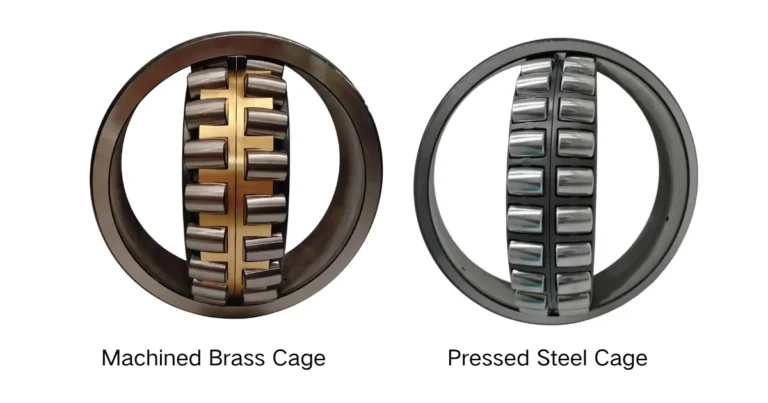
The bearing type should be confirmed against the machine design, bearing position, load, speed, fit and operating conditions. TEDIN’s spherical roller bearings page covers a bearing type used in some heavy-duty conveyor applications. Confirm that it is specified for the actual assembly before selecting a replacement.
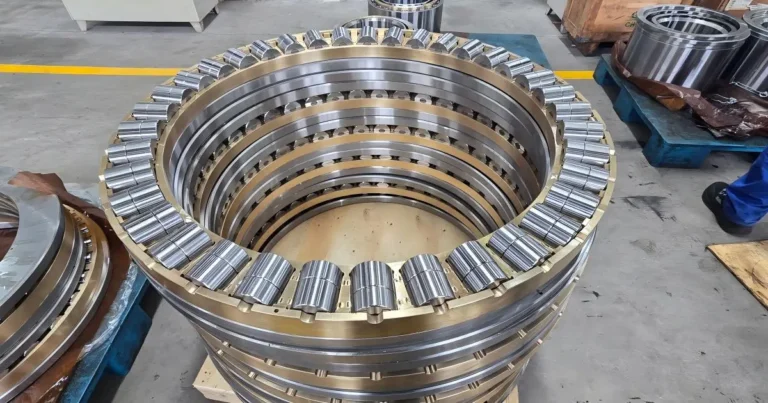
For certain drive or gearbox positions, cylindrical roller bearings may be relevant. The correct type depends on the design and duty of that position; do not select a bearing based on appearance or dimensions alone.
For a wider view of bearing options used in harsh-duty equipment, see TEDIN’s mining and construction bearing solutions.
After Replacement
Before restarting, complete the checks required for the specific conveyor. Confirm the bearing, housing and seals are installed as specified, and that the lubrication route is clear where applicable.
Follow the site’s commissioning procedure during restart. Record temperature, noise and vibration under the operating conditions at the time. If the same bearing position fails again, compare the new findings with the previous inspection and review the fit, sealing, lubrication, alignment, load and nearby components before ordering another bearing.
Frequently Asked Questions
Does a hot conveyor bearing always need to be replaced?
No. A temperature rise is a reason to investigate, but it does not by itself confirm bearing damage. Check the reading method, load, lubrication, sealing and surrounding components, and compare the result with the equipment manufacturer’s limits.
Can I replace a conveyor bearing with one that has the same dimensions?
Not necessarily. Confirm the complete bearing designation, configuration, fit and clearance against the approved parts information for the assembly. Similar dimensions alone do not establish that two bearings are interchangeable.
What information should I provide when asking about a conveyor bearing?
Provide the conveyor type, bearing position, existing bearing designation, shaft and housing details, operating speed, load, lubrication method and working environment. You can contact TEDIN’s bearing support team with these details for an application review.