When comparing OEM vs. aftermarket cone crusher bearings, check what each quotation actually includes. The same part reference does not necessarily mean the same supply scope, inspection records or warranty terms.
Start with the bearing specification, then compare price and delivery. A lower price is difficult to assess if one offer covers a complete bearing and another covers only selected components.
This guide applies to rolling bearings used in cone crushers, not bushings or plain bearings.
OEM and Aftermarket: The Difference Is the Supply Route
An OEM bearing is supplied through the crusher manufacturer or its authorized parts channel. The crusher manufacturer may source it from a specialist bearing producer rather than make it itself.
An aftermarket bearing is supplied outside that channel, through an independent manufacturer, distributor or replacement-parts supplier.
Neither label tells you everything about the bearing. For OEM supply, confirm that the reference applies to your machine. For aftermarket supply, ask who makes the bearing and what supports the proposed replacement.
“OEM replacement” is a description, not technical evidence. The useful information is the specified part, its requirements and how the offered bearing has been checked against them.
Check More Than the Overall Dimensions
Give each supplier the same starting information: crusher model and serial number, bearing position, full part reference and the components required. Include the relevant parts-list page or drawing if available.
If the reference is unclear, use the guide to checking cone crusher bearing part numbers before comparing offers.
Bore diameter, outside diameter and width are useful first checks, but matching these dimensions does not establish replacement suitability. Depending on the bearing design, the technical review may also need to cover:
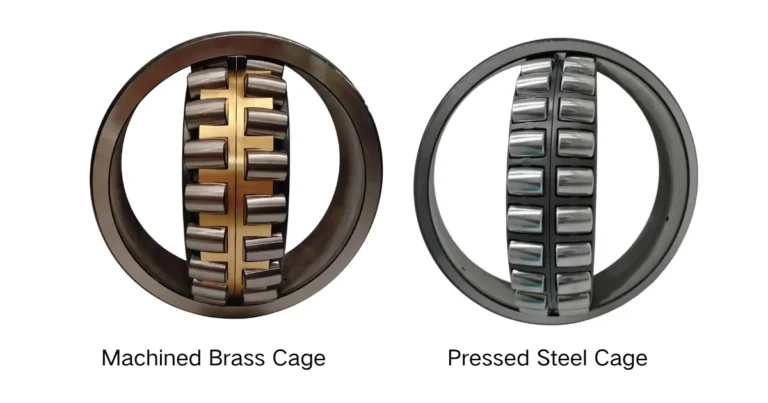
- Bearing type and internal design: rolling elements, raceways and cage construction.
- Tolerances and setting: dimensional accuracy, running accuracy, and the required internal clearance or axial setting.
- Mounting and lubrication: locating surfaces, chamfers, holes and grooves.
- Component scope: complete bearing, separate rings or washers, and any matched-set requirements.
Use the applicable equipment or bearing specification as the basis for approval. Measurements from a worn bearing can help identify it, but should not define the new bearing’s manufacturing requirements.
Ask What the Inspection Report Covers
If a quotation says “inspection report included,” ask which checks will be reported. Depending on the agreed scope, these may include dimensions, running accuracy, clearance or other specified characteristics.
A useful report identifies the bearing or production batch, states the applicable limits and records the results. If material or heat-treatment records are required, agree on their availability and scope before ordering.
A quality-management certificate is not a bearing inspection report. It describes the supplier’s management system, not the measured condition of the product being delivered.
Also check how the documents connect to the supplied bearing. Product markings, batch references and component labels should make that connection clear, especially when separate or matched components are supplied.
Compare Quotations on the Same Basis
Use the following checklist to spot differences before comparing the final price.
| Item | What to Confirm |
|---|---|
| Product scope | Complete bearing or specified components, quantity, manufacturer and product condition |
| Specification | Full designation, applicable drawing or specification, and any stated differences or assumptions |
| Inspection and records | Checks included, documents supplied and additional charges for requested inspection |
| Delivery | Stock or made-to-order supply, when lead time starts, and whether the quoted timing covers dispatch or arrival |
| Total cost | Currency, packing, freight, payment terms and agreed delivery terms |
| Warranty | Duration, covered defects, exclusions, claim procedure and remedy |
Put important clarifications into the purchase order. If an offer relies on an unconfirmed drawing or an assumed clearance, resolve that point with the responsible technical team before approval.
If the crusher is under warranty, check the equipment warranty terms before choosing an alternative supply source.
Which Option Should You Choose?
OEM supply may be the more straightforward route when you need the manufacturer’s specified part or established parts-support process. An aftermarket offer may also be suitable when its specification and replacement basis have been verified.
The decision should come down to a few concrete points: the correct bearing, a clear supply scope, adequate inspection records, workable delivery and written commercial terms. Compare those—not just the label on the quotation.
Request a Bearing Quotation
For a TEDIN enquiry, send the crusher model, bearing position, part references and available drawings or photos. State any required clearance, tolerance, inspection or documentation requirements.
Submit your information through the cone crusher bearings page. For a related project example, see the Cedarapids RC54 bearing replacement case study.